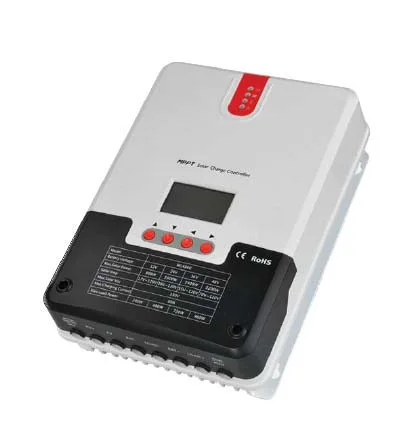
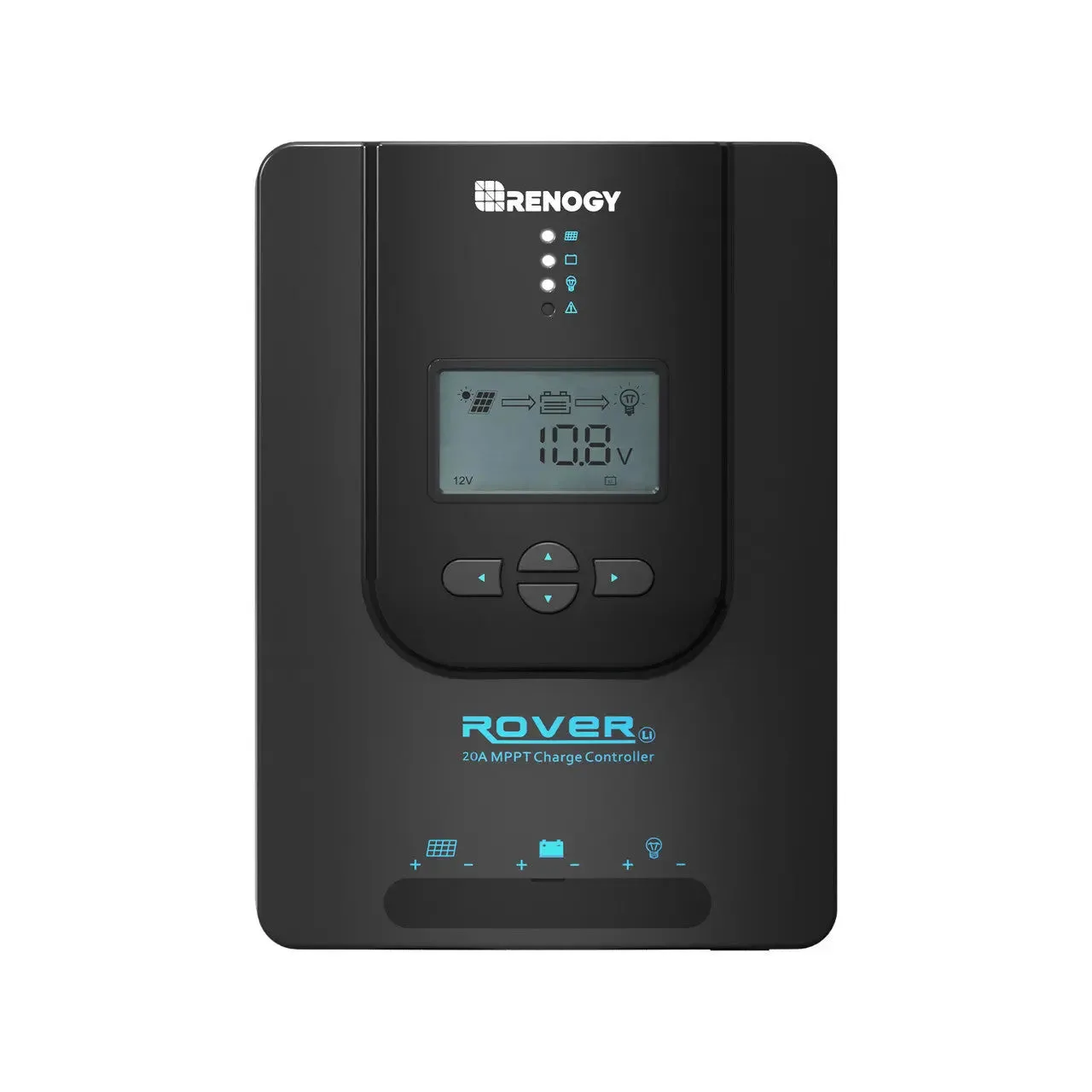
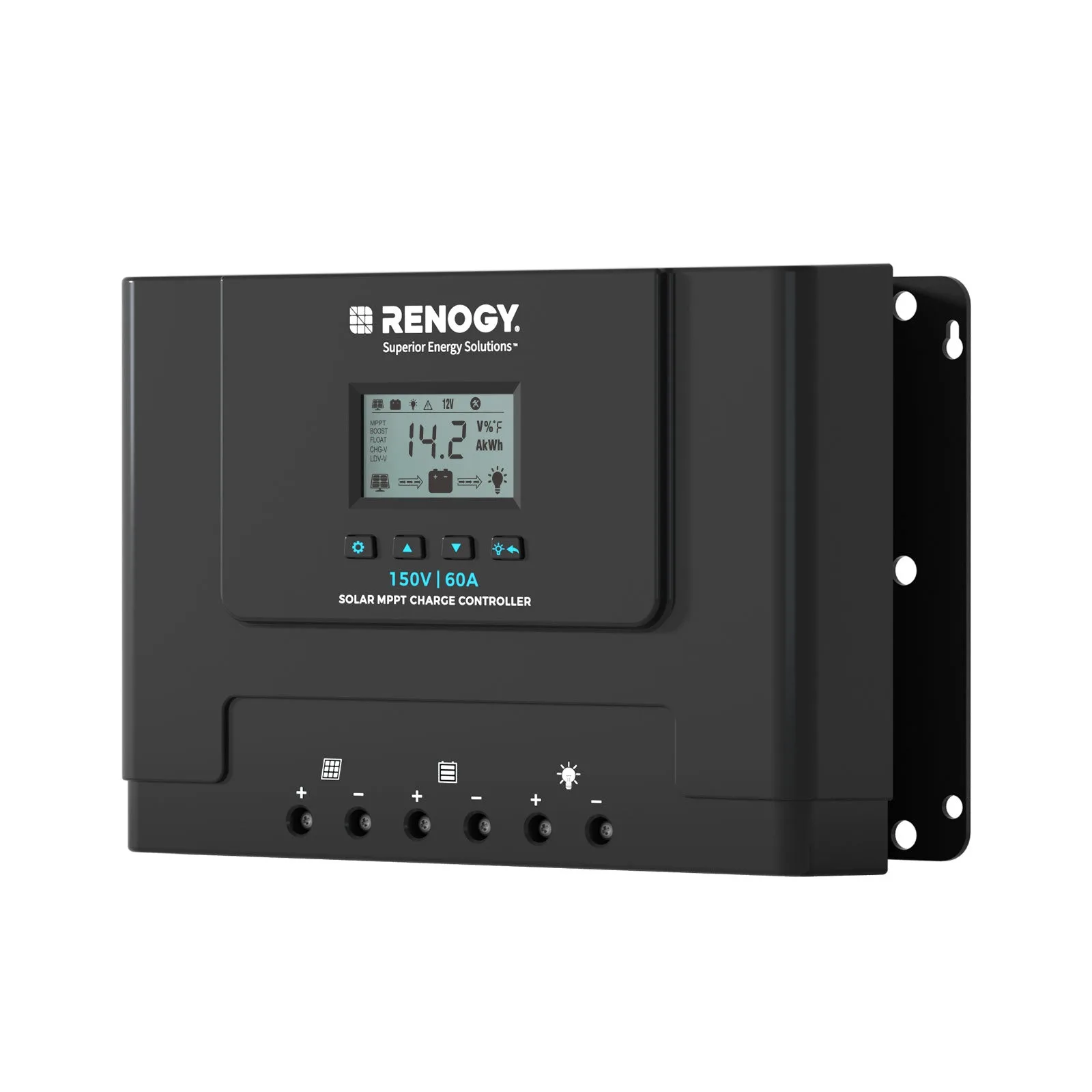
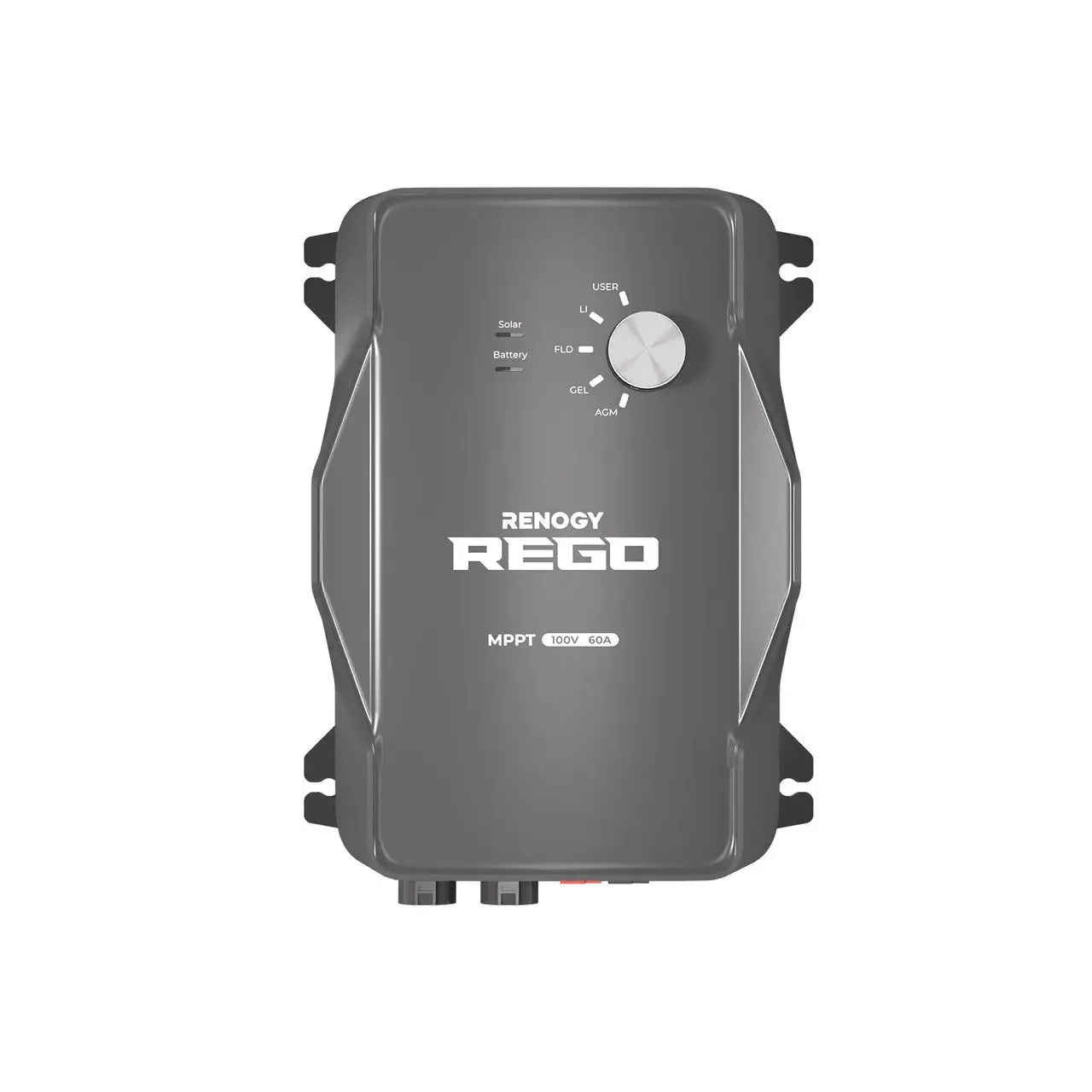
Panels capture the energy. We've highlighted the best fit for your array.
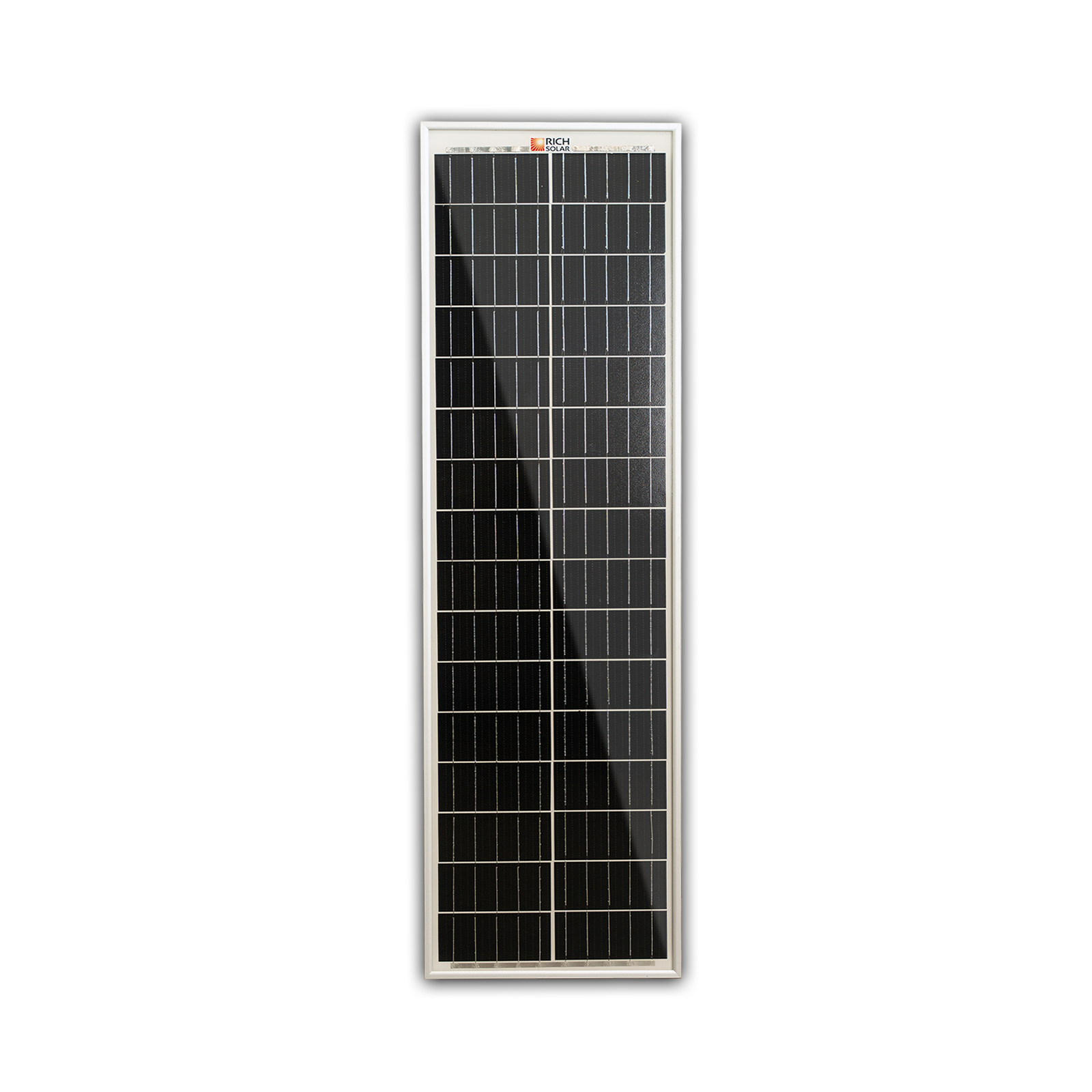
35 W
$45.99
Exporist.life ONLY - $45.99 (no other discounts allowed)
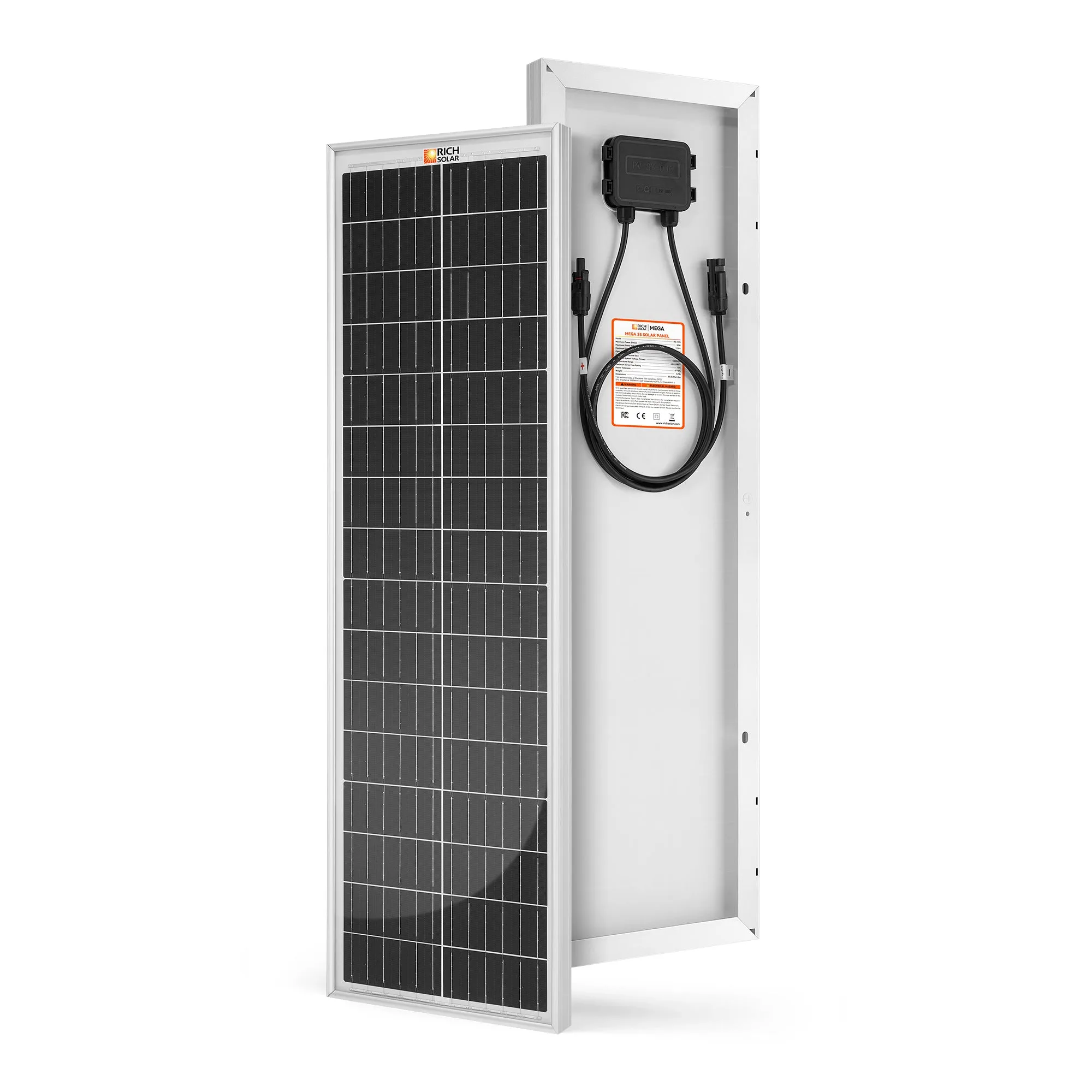
MEGA 35 | 35 Watt Solar Panel | Compact 12V Off-Grid Solar Panel for Boats, Vans, Trailers | 25-Year Output Warranty
View product ↗35 W
$59.99
Features 12V off-grid solar panel.
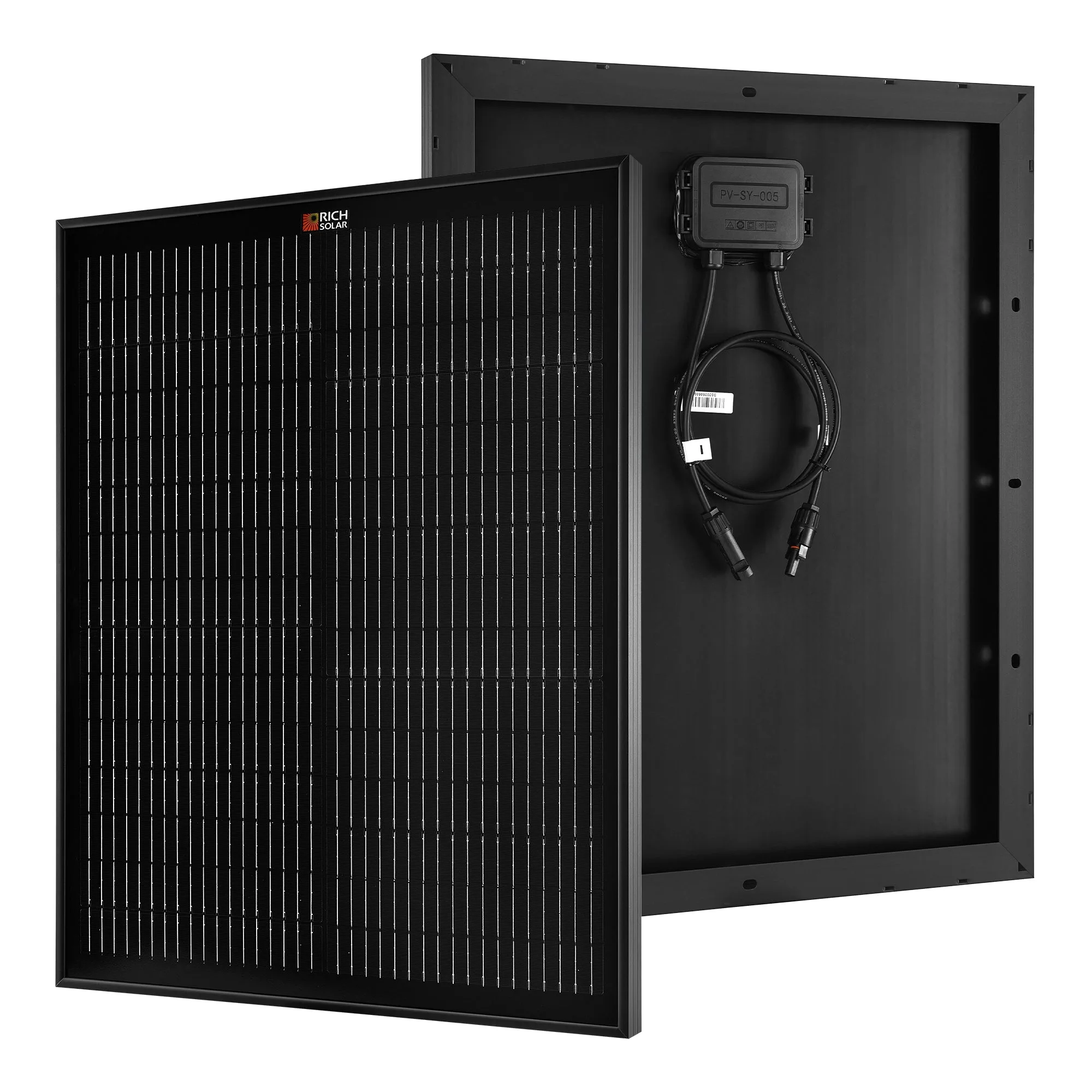
MEGA 50 ONYX | 50 Watt Solar Panel | Compact 12V Off-Grid Solar Panel for Boats, Vans, Trailers | 25-Year Output Warranty | UL Certified
View product ↗50 W
$69.99
Features 12V off-grid solar panel.
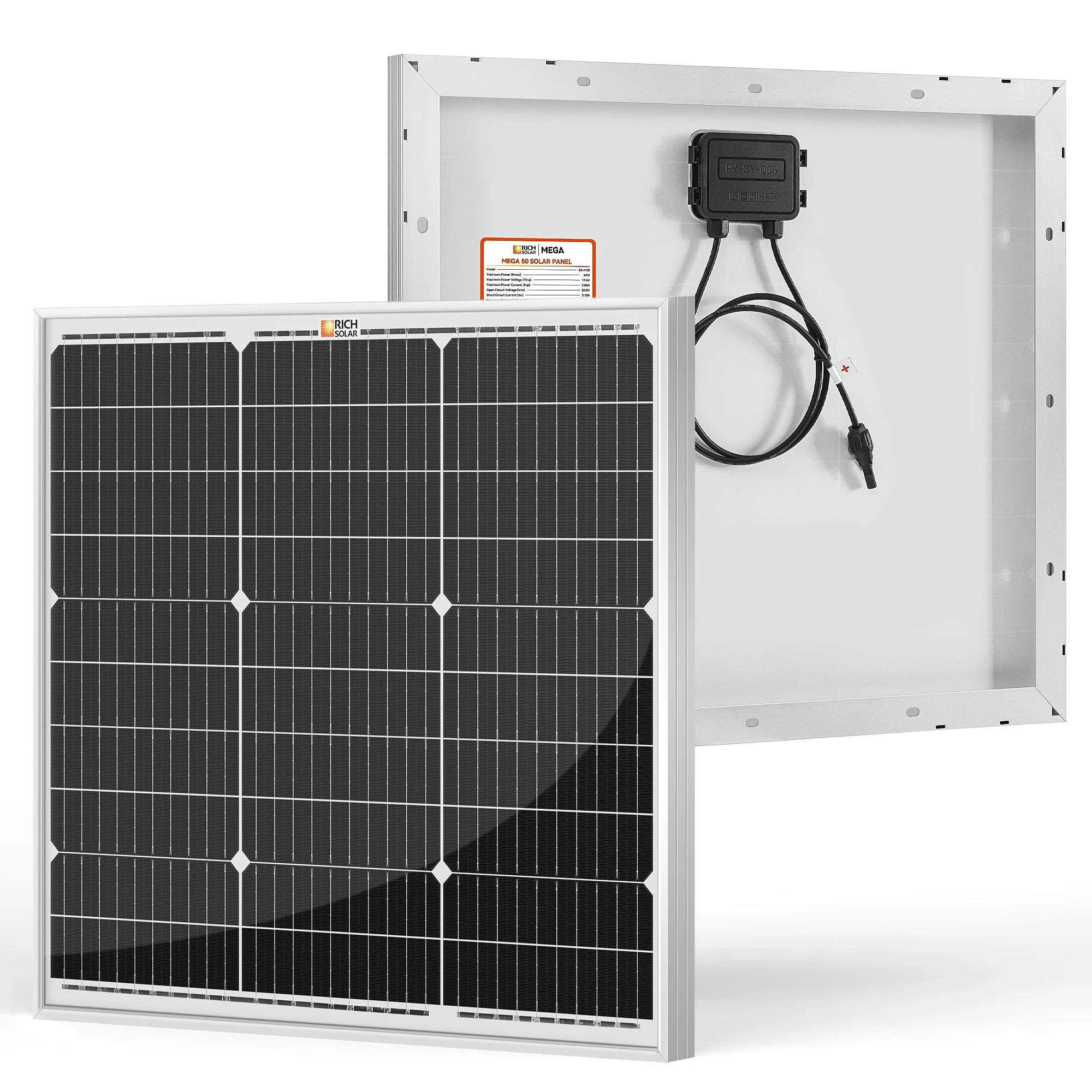
MEGA 50 | 50 Watt Solar Panel | Compact 12V Off-Grid Solar Panel for Boats, Vans, Trailers | 25-Year Output Warranty | UL Certified
View product ↗50 W
$69.99
Features 12V off-grid solar panel.
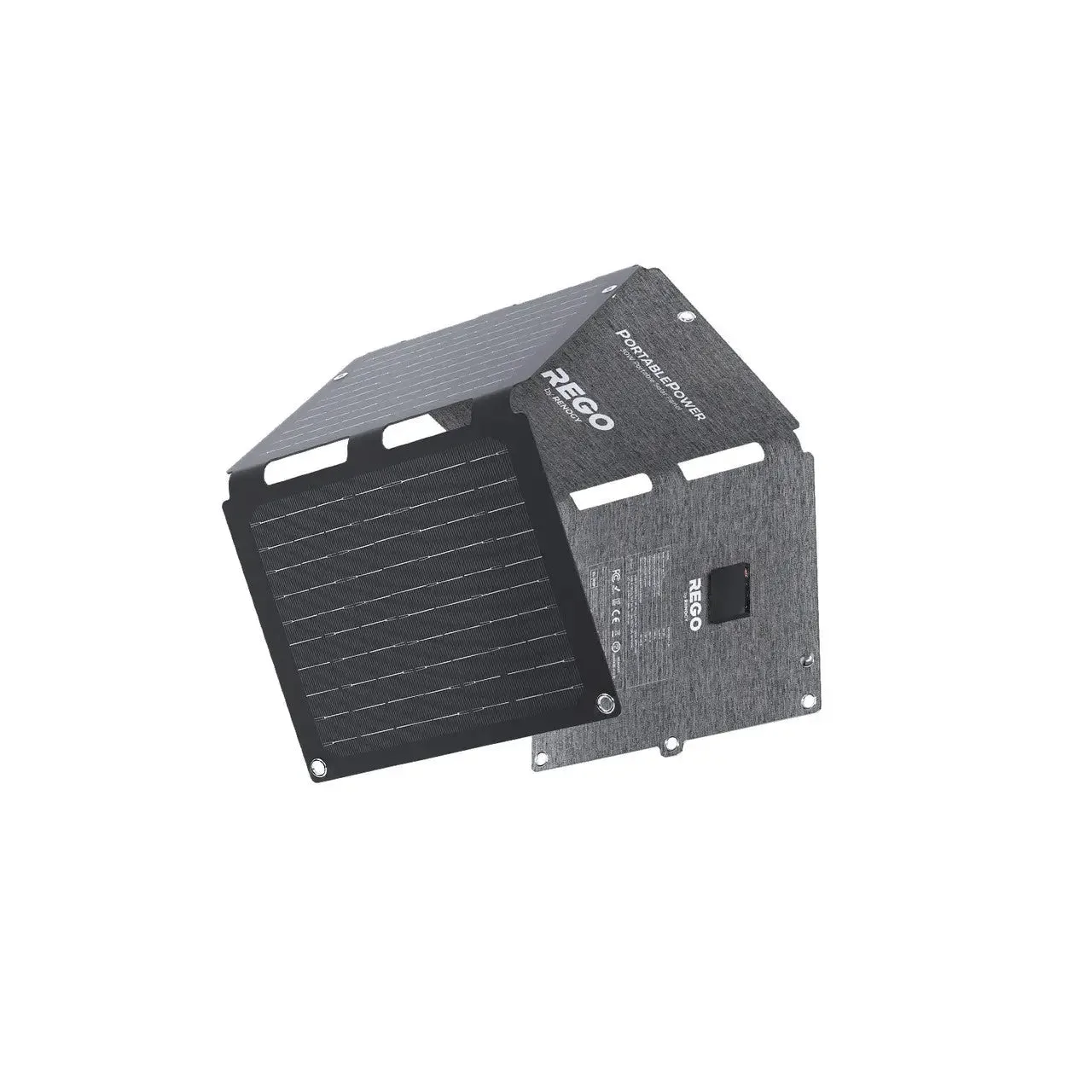
30 W
$72.99
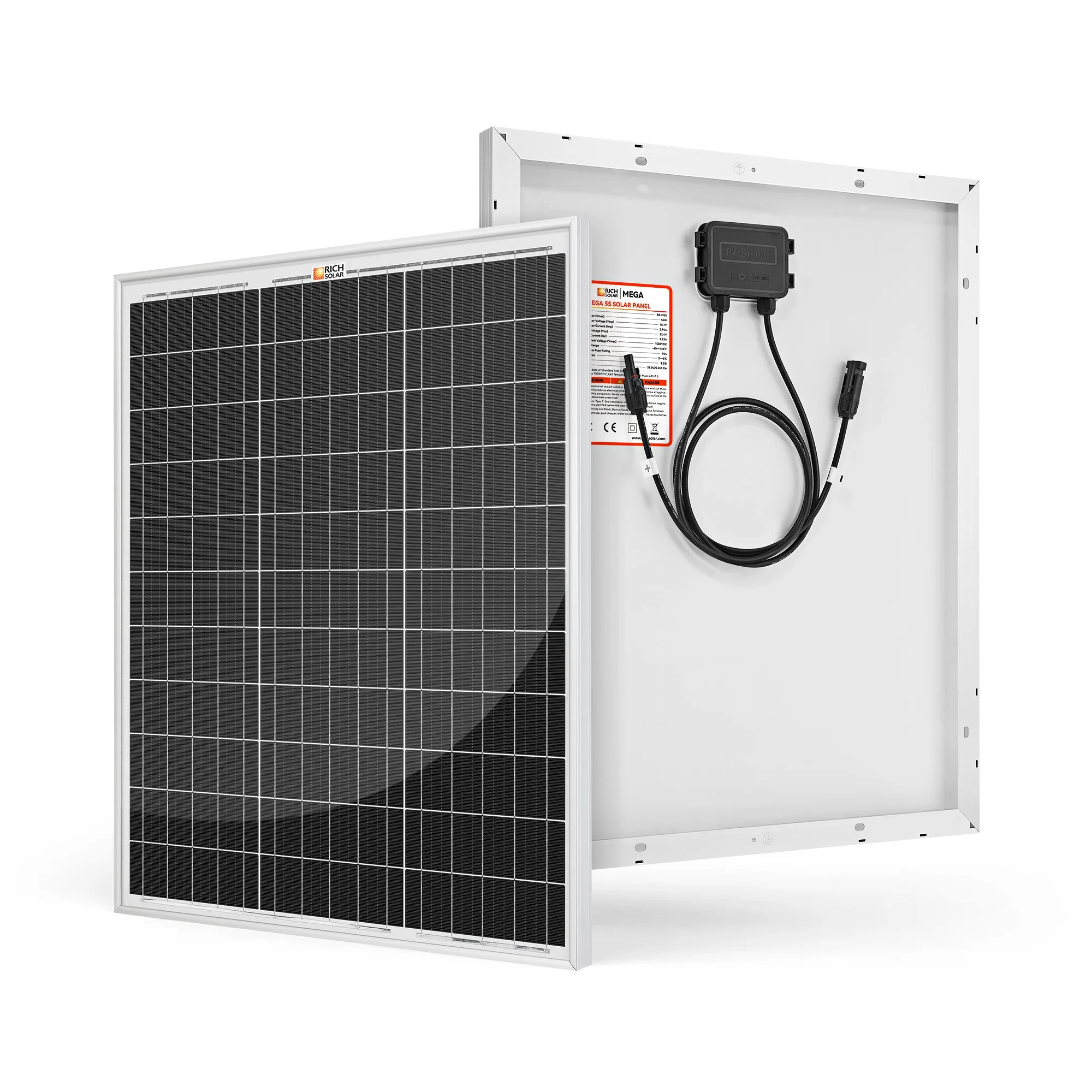
MEGA 55 | 55 Watt Solar Panel | Compact 12V Off-Grid Solar Panel for Boats, Vans, Trailers | 25-Year Output Warranty
View product ↗55 W
$79.99
Features 12V off-grid solar panel.
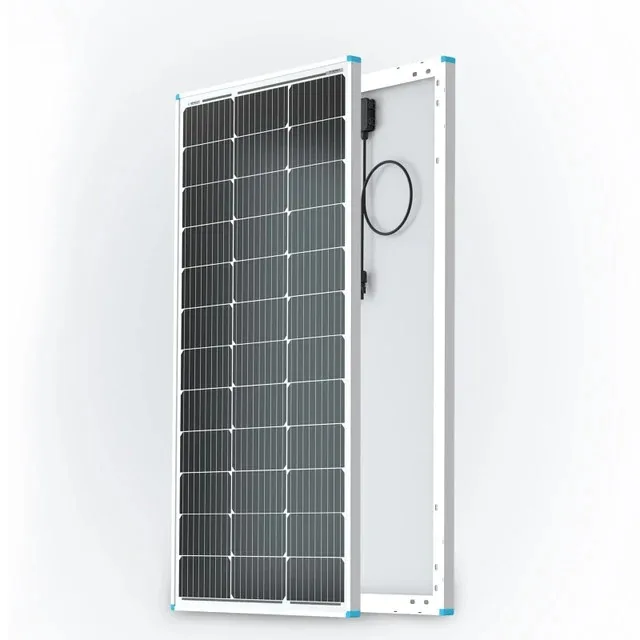
100 W
$87.99
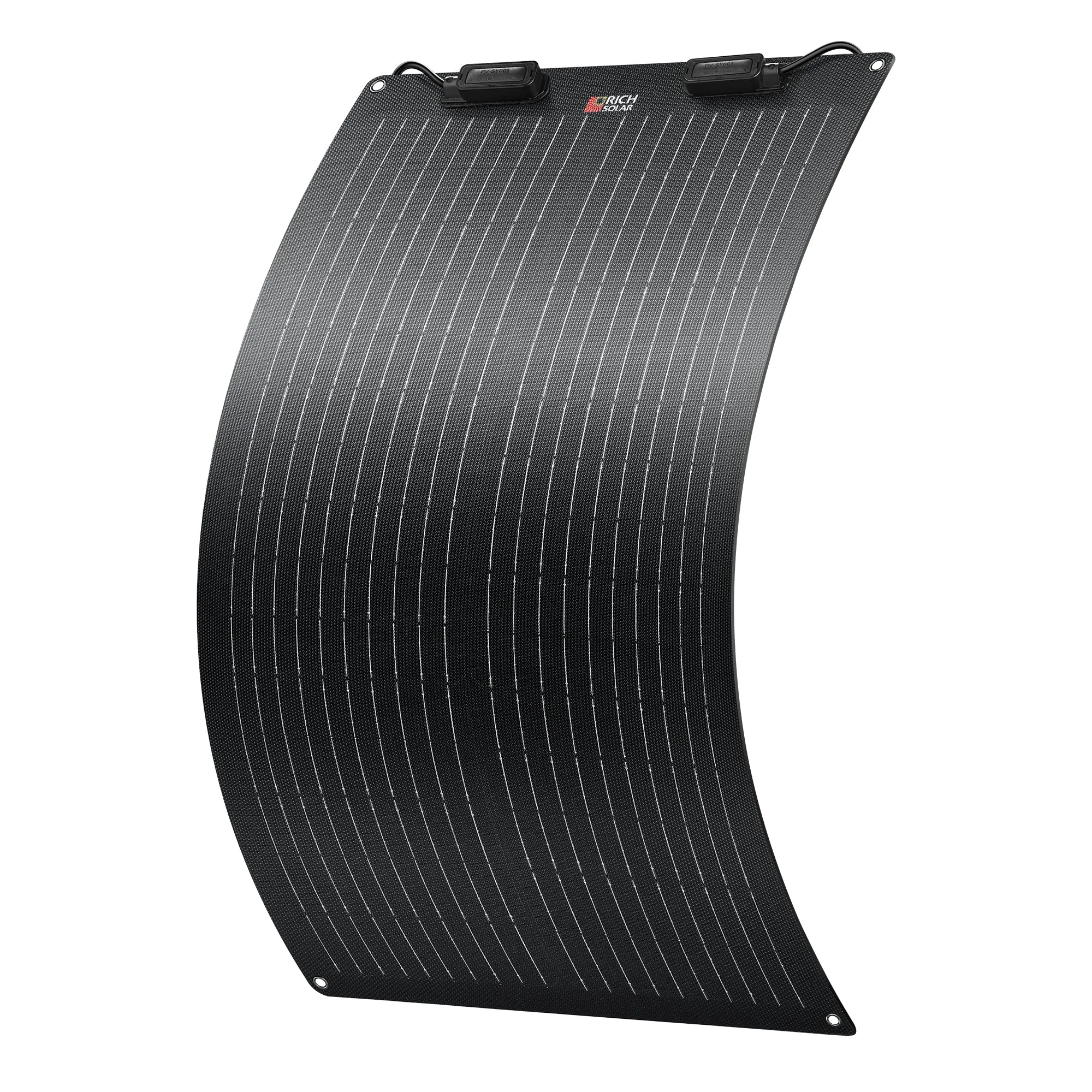
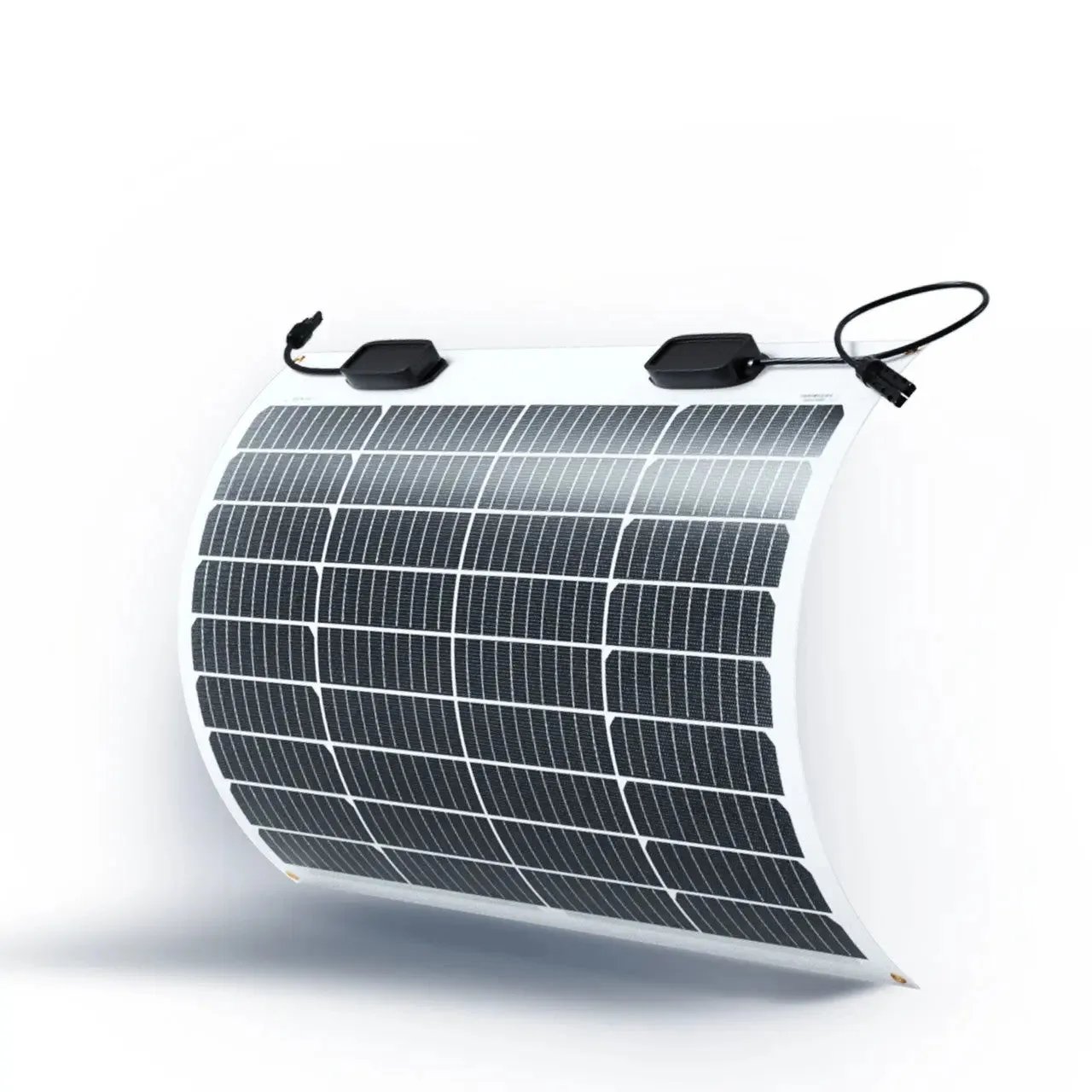
MEGA 50 FLEX | 50W 12V Flexible Solar Panel | Ultra-Lightweight, IP68 Junction Box, for RV, Marine, Off-Grid & Overland
View product ↗50 W
$89.99
Features 12V off-grid flexible solar panel.
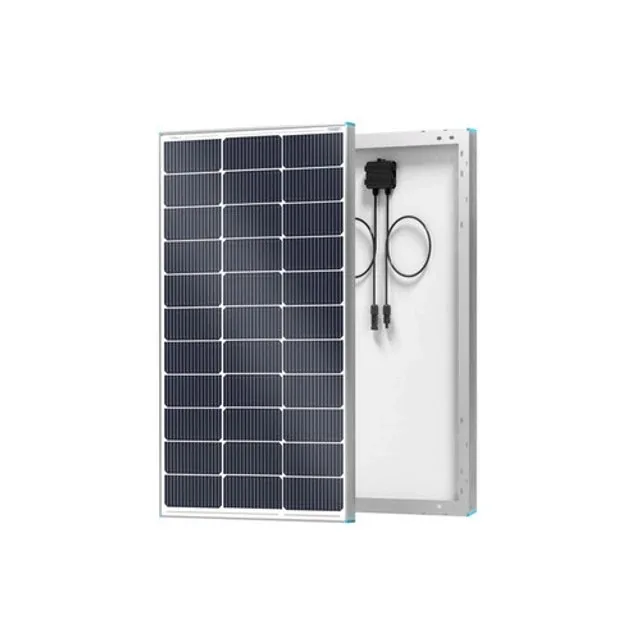
100 W
$100.99
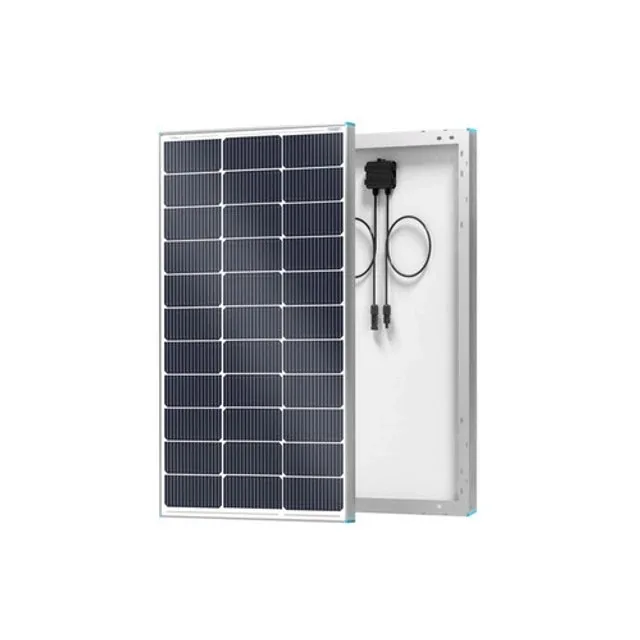
100 W
$105.99
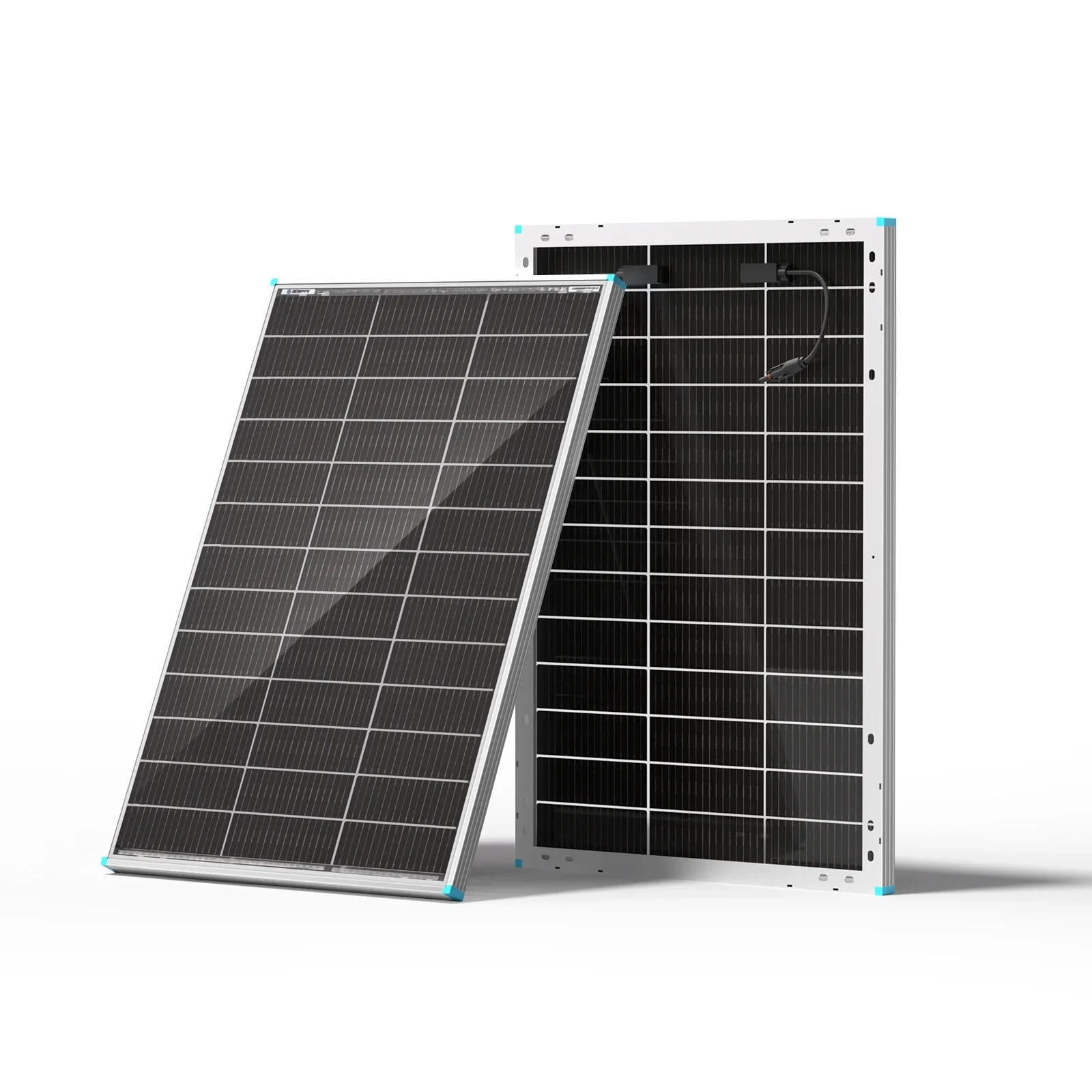
100 W
$109.99
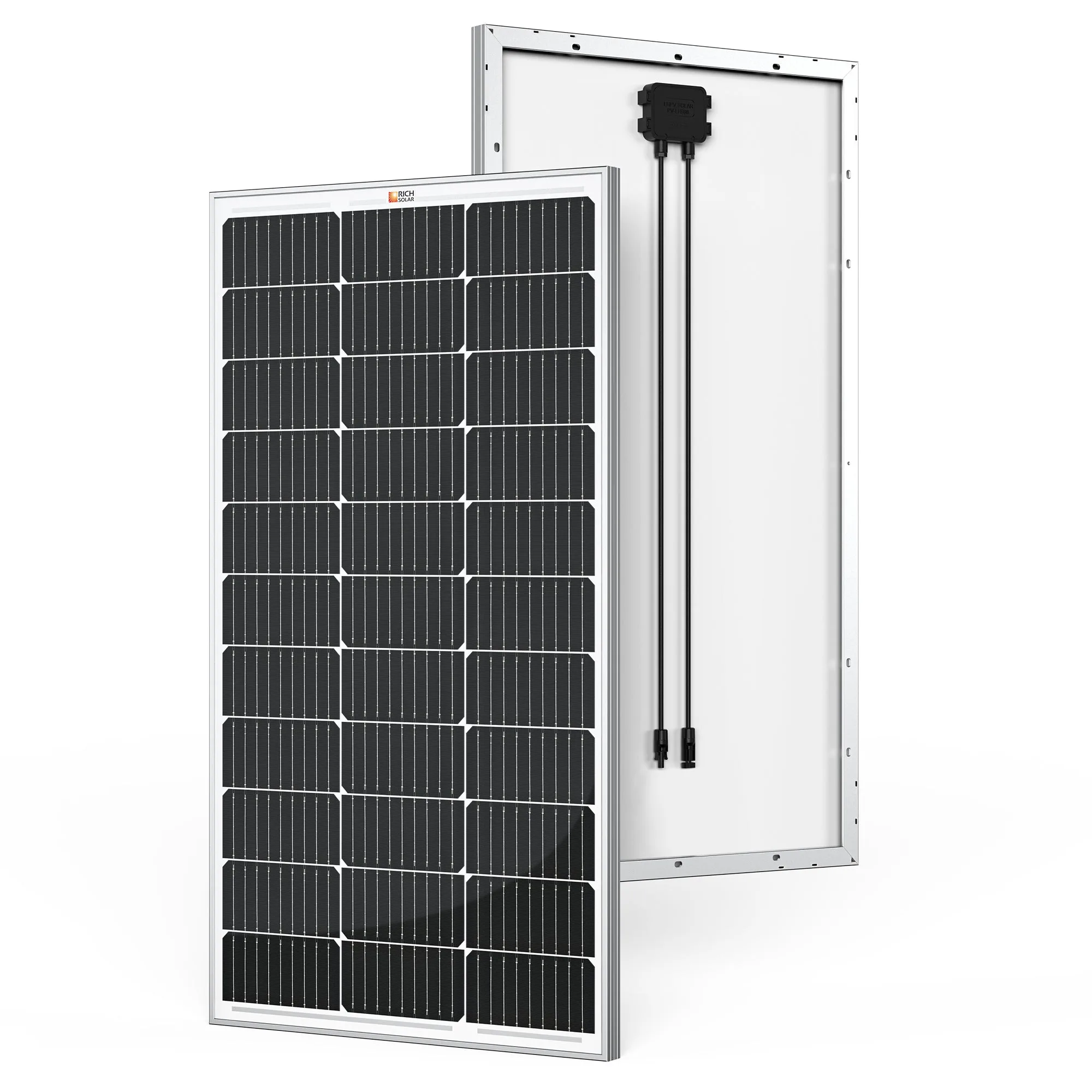
100 W
$119.99
MEGA 100 | 100 Watt Solar Panel
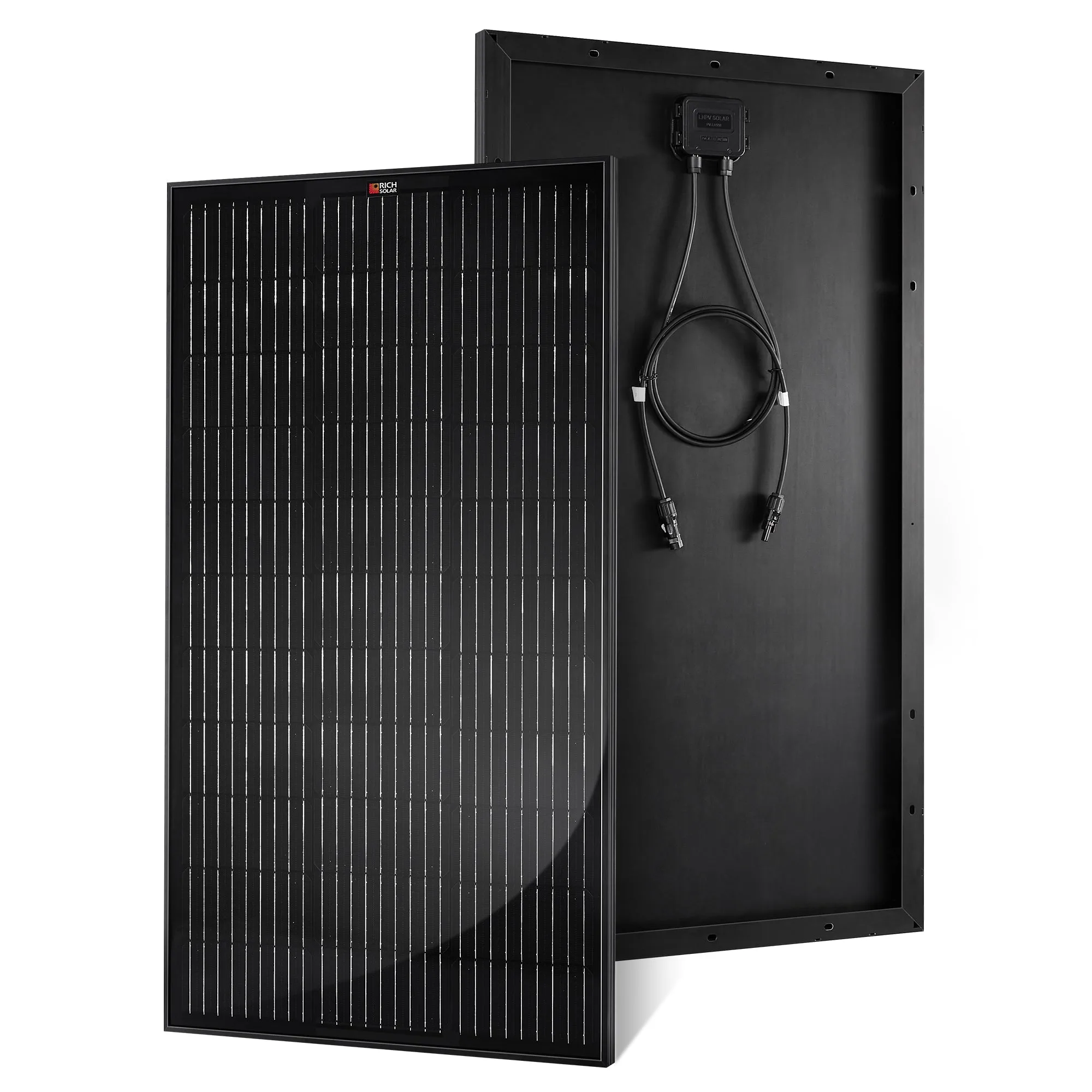
MEGA 100 ONYX | 100 Watt Solar Panel | Premier 12V Off-Grid Solar Panel for Vans, Campers, Boats | 25-Year Output Warranty | UL Certified
View product ↗100 W
$119.99
The MEGA 100 is the perfect option for any off-grid application.
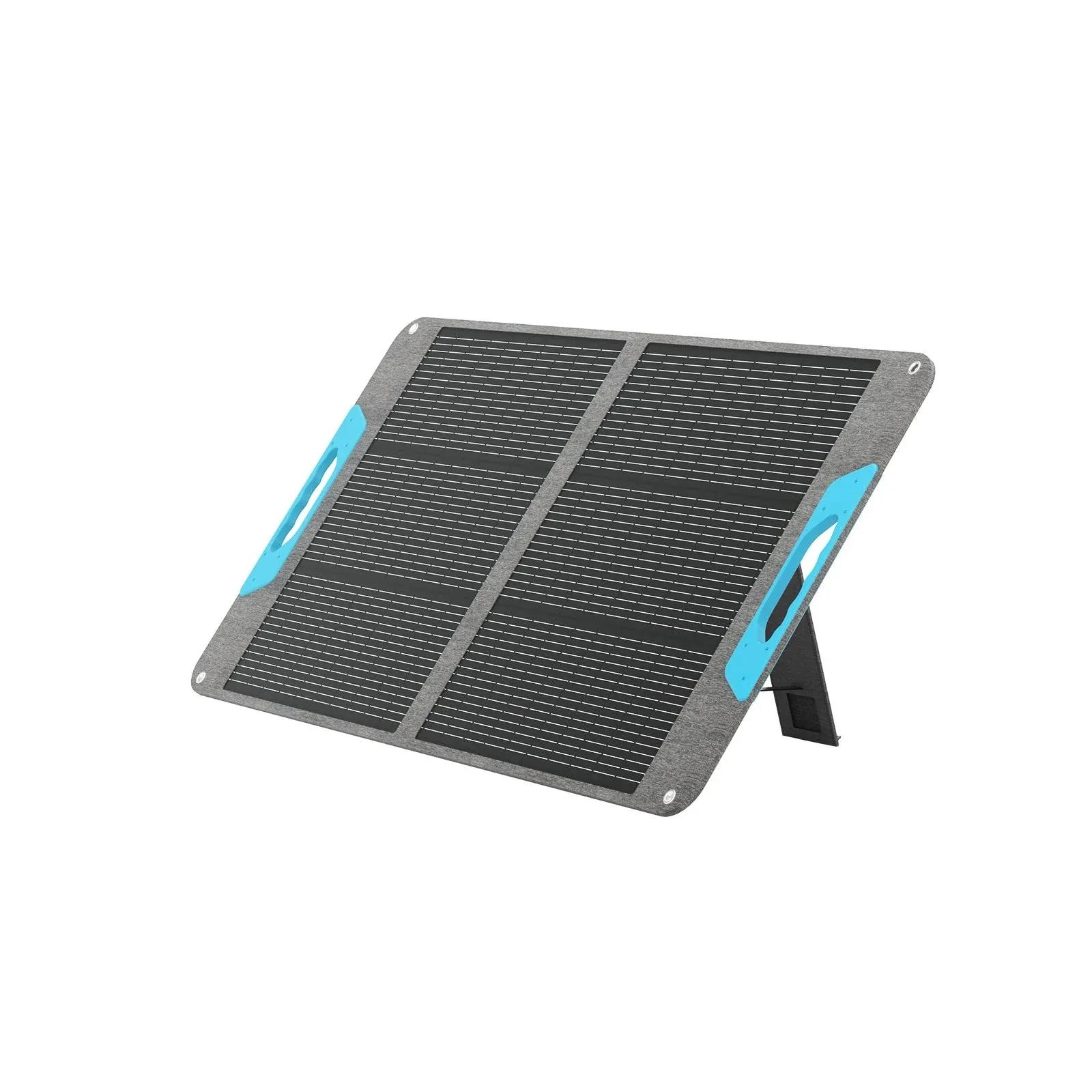
100 W
$124.99
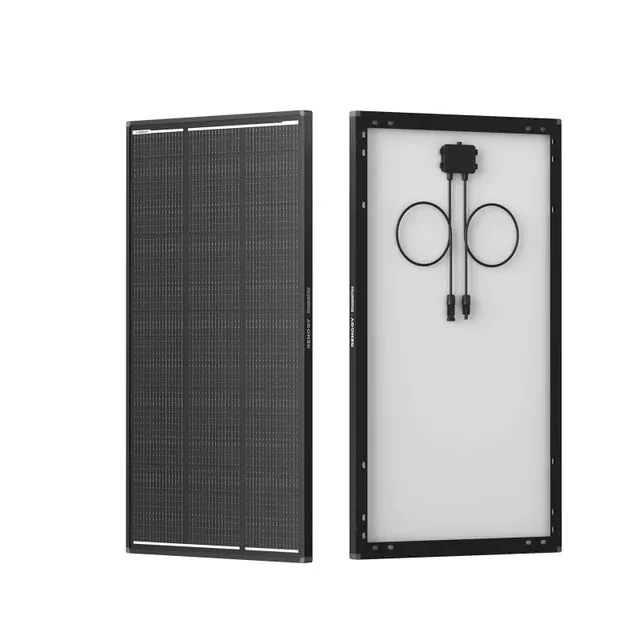
120 W
$128.99
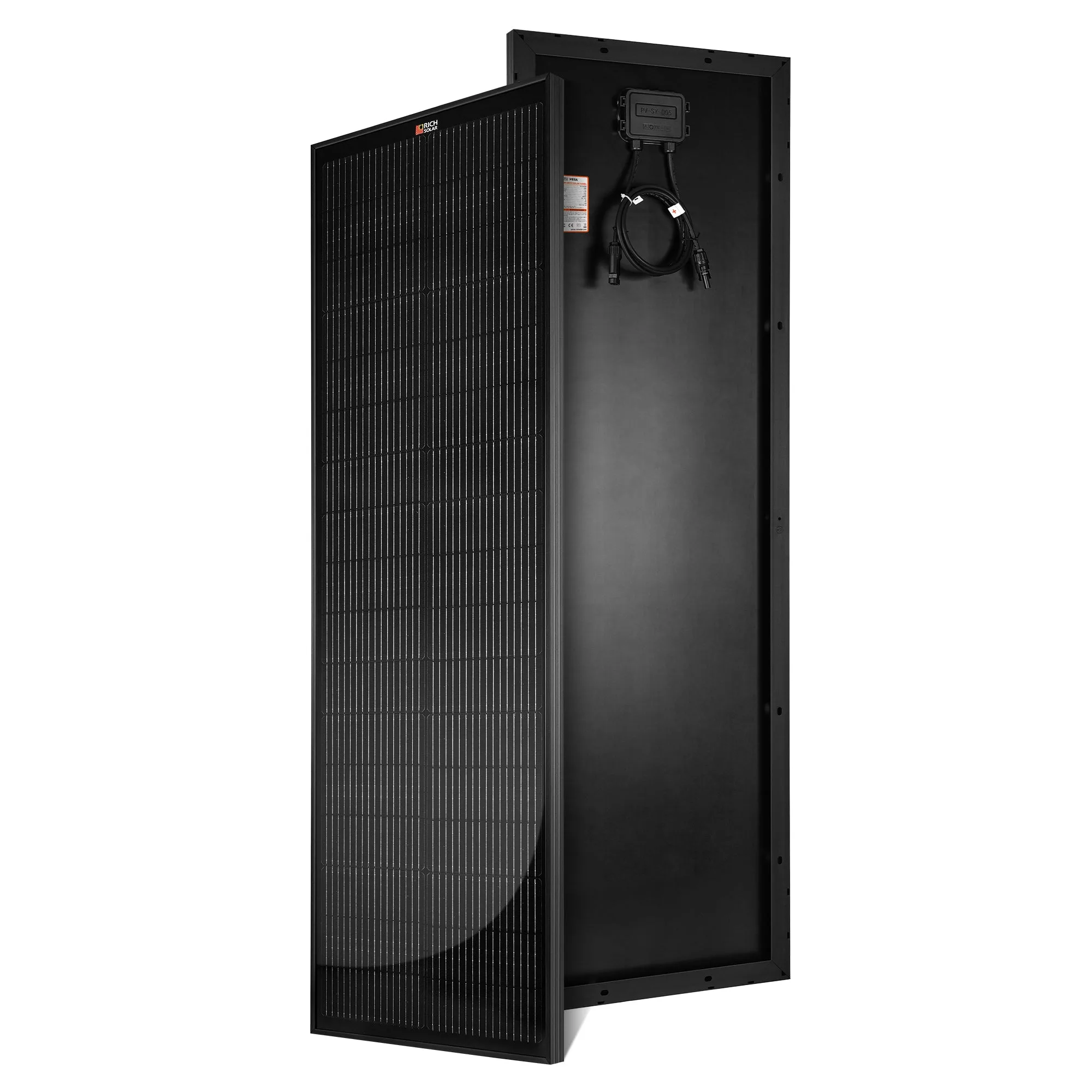
MEGA 100 SLIM ONYX | 100 Watt Slim Solar Panel | Compact 12V Off-Grid Narrow Solar Panel for Vans, Overlanders, Boats | 25-Year Output Warranty | UL Certified
View product ↗100 W
$129.99
Features 12V off-grid solar panel.
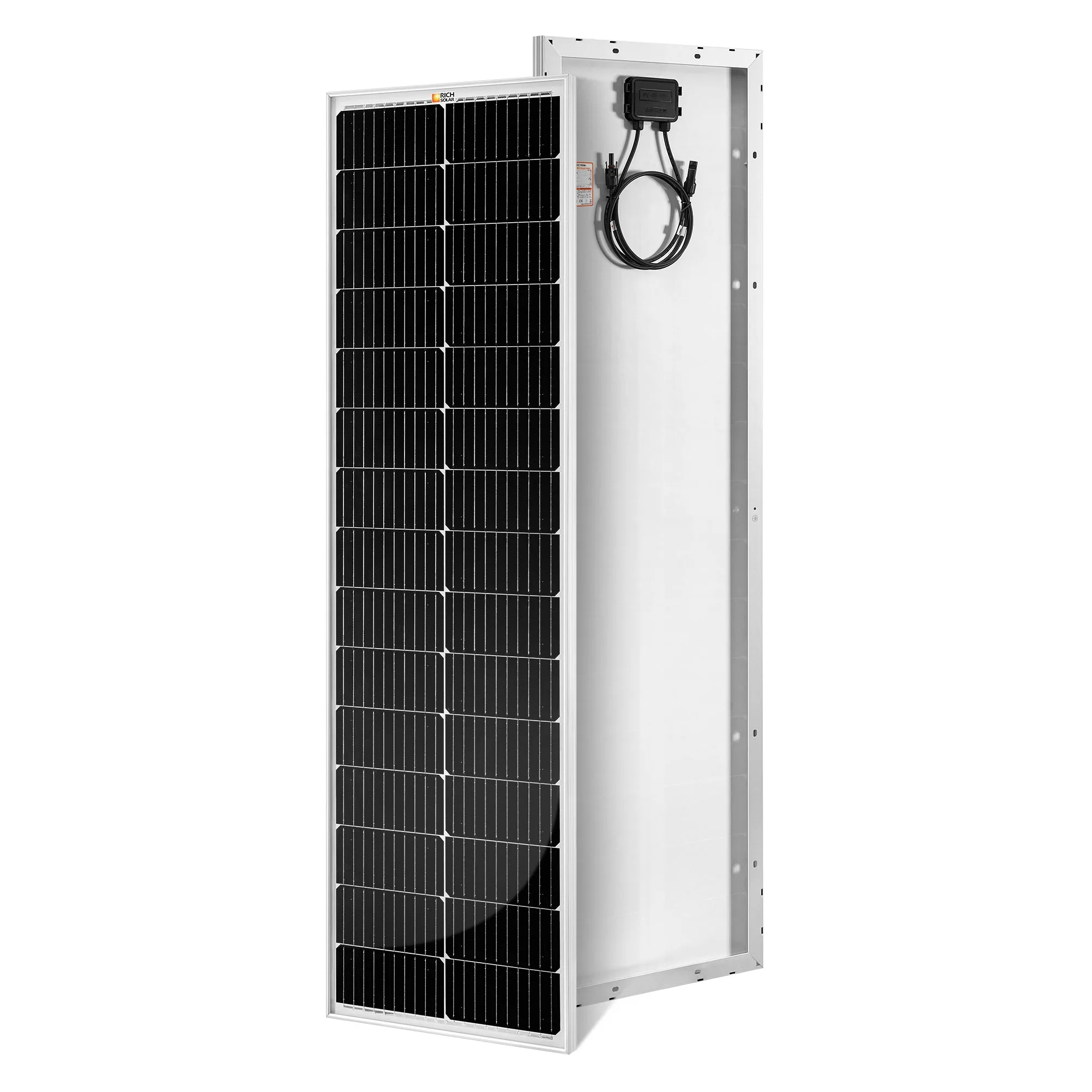
MEGA 100 SLIM SLX | 100 Watt Slim Solar Panel | Compact 12V Off-Grid Narrow Solar Panel for Campers, Overlanders, Boats | 25-Year Output Warranty | UL Certified
View product ↗100 W
$129.99
Features 12V off-grid solar panel.
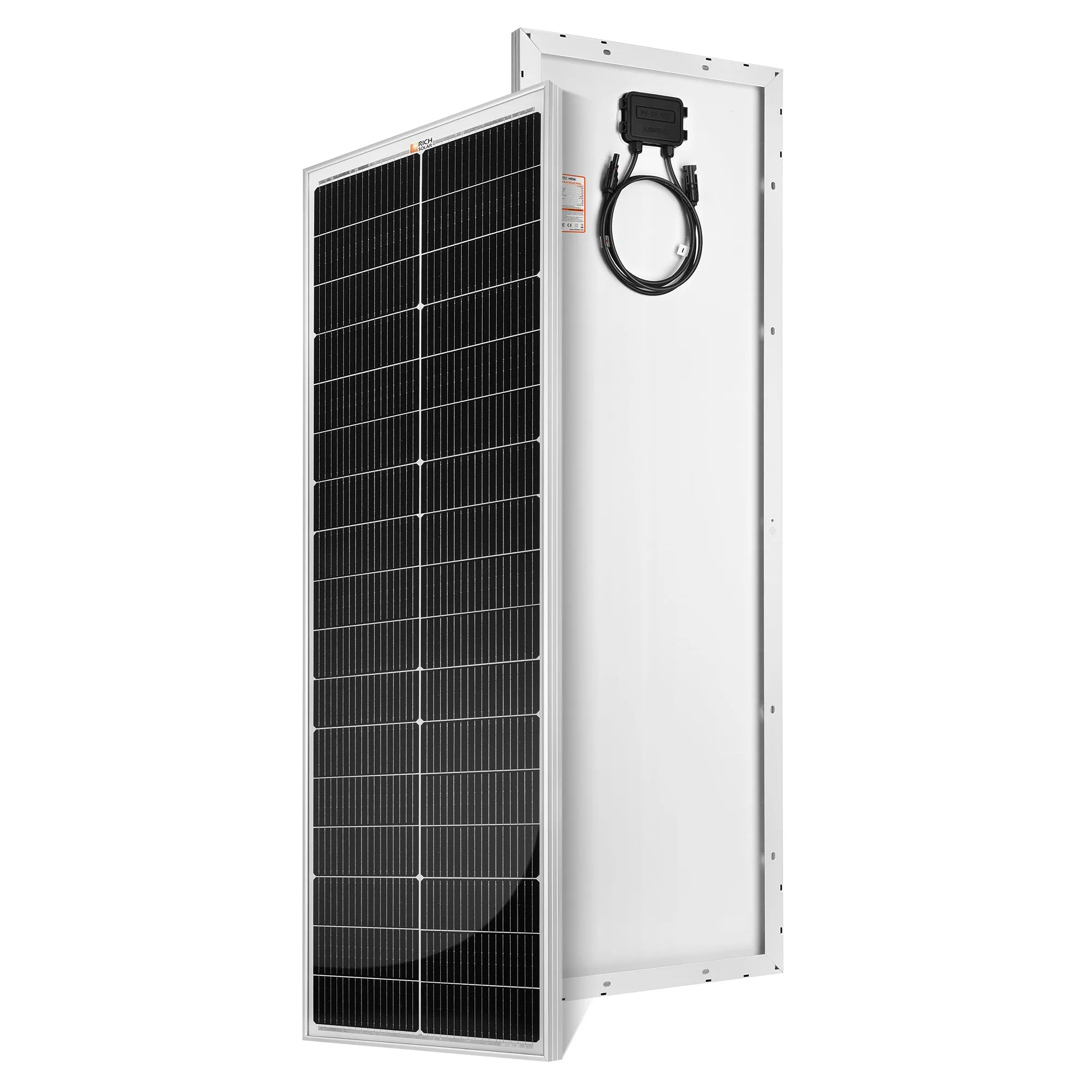
MEGA 100 SLIM | 100 Watt Slim Solar Panel | Compact 12V Off-Grid Narrow Solar Panel for Vans, Overlanders, Boats | 25-Year Output Warranty | UL Certified
View product ↗100 W
$129.99
Features 12V off-grid solar panel.
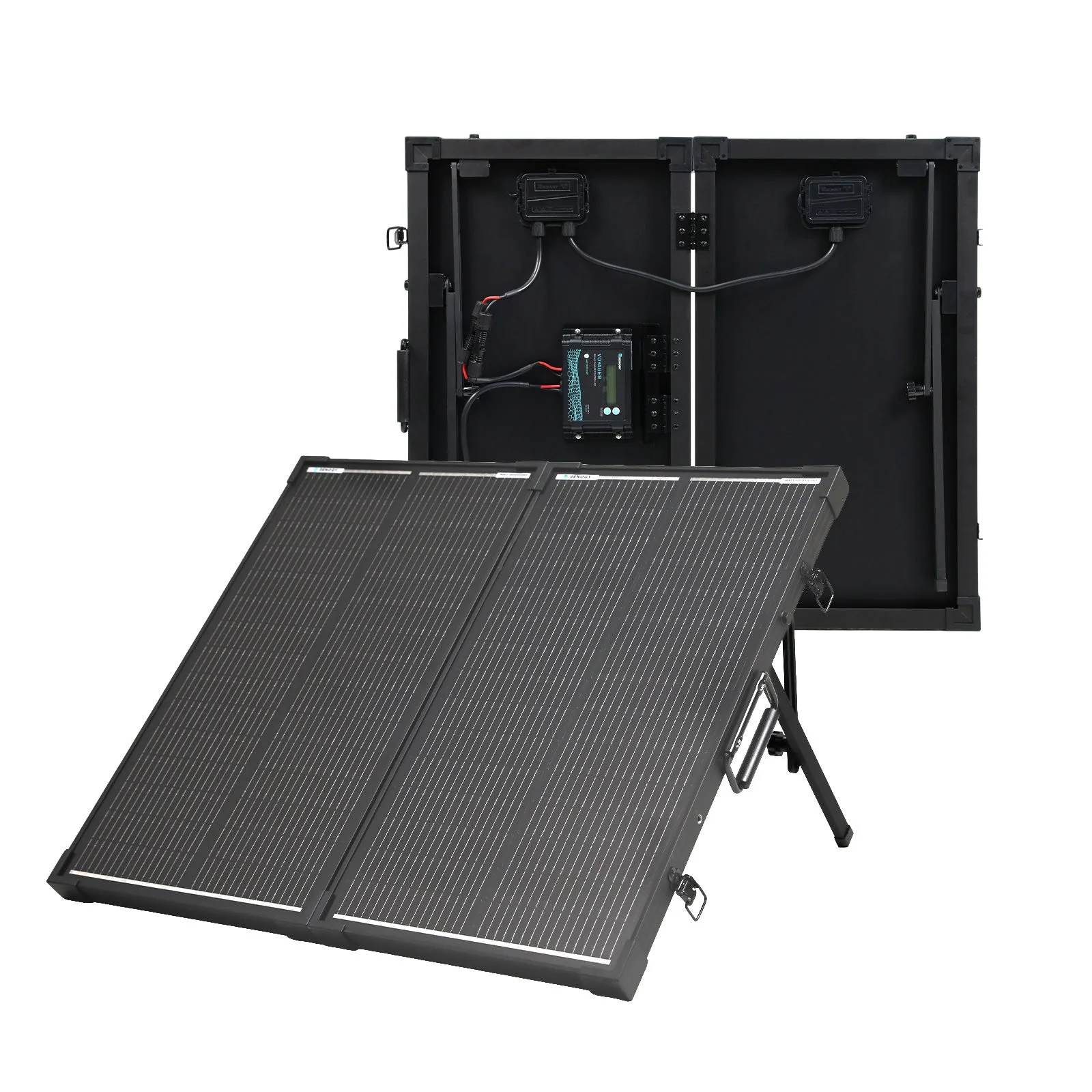
100 W
$144.99
175 W
$158.99
175 W
$169.99
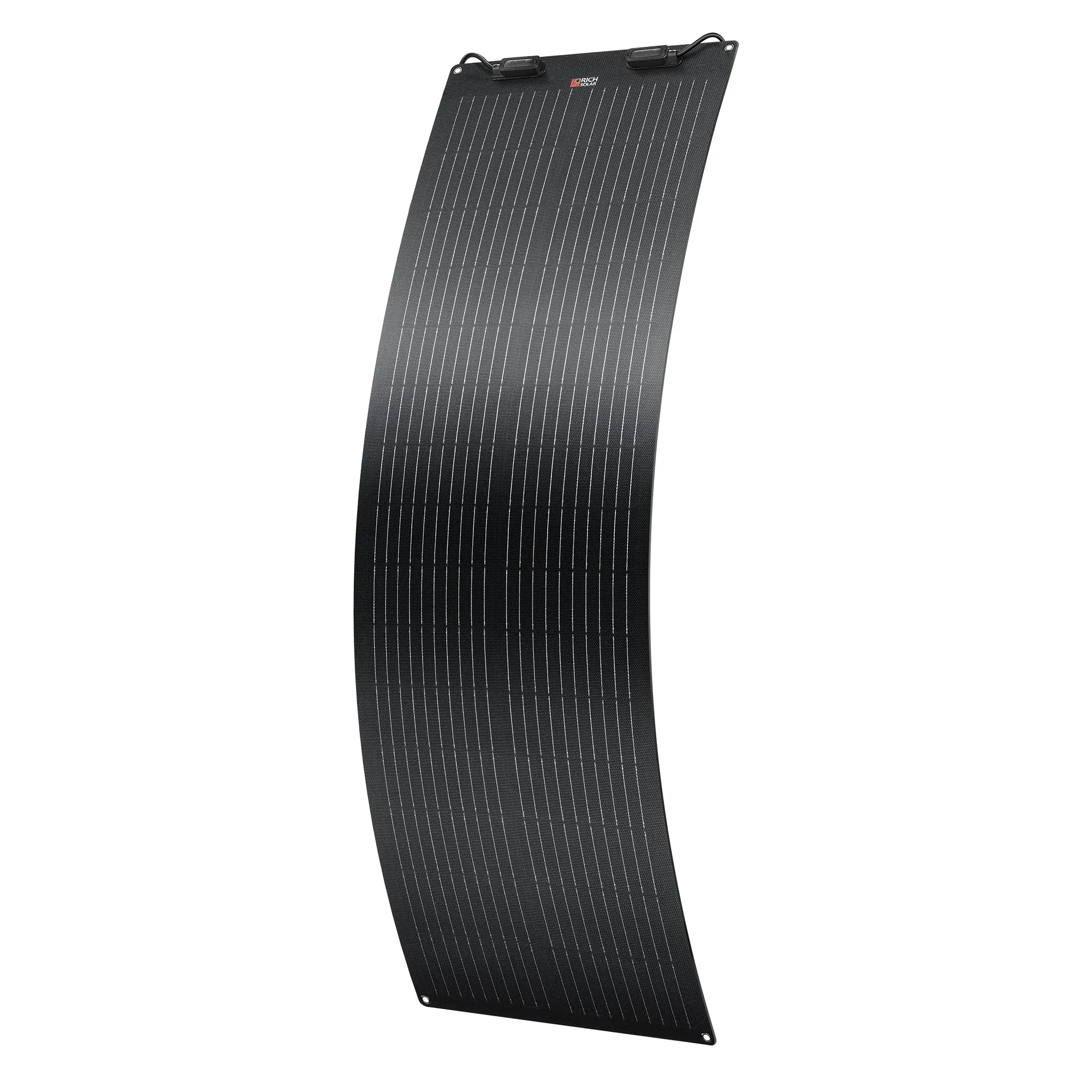
MEGA 100 FLEX | 100W 12V Flexible Solar Panel | Ultra-Lightweight for RV, Marine, Off-Grid & Overland
View product ↗100 W
$169.99
Features 12V off-grid flexible solar panel.
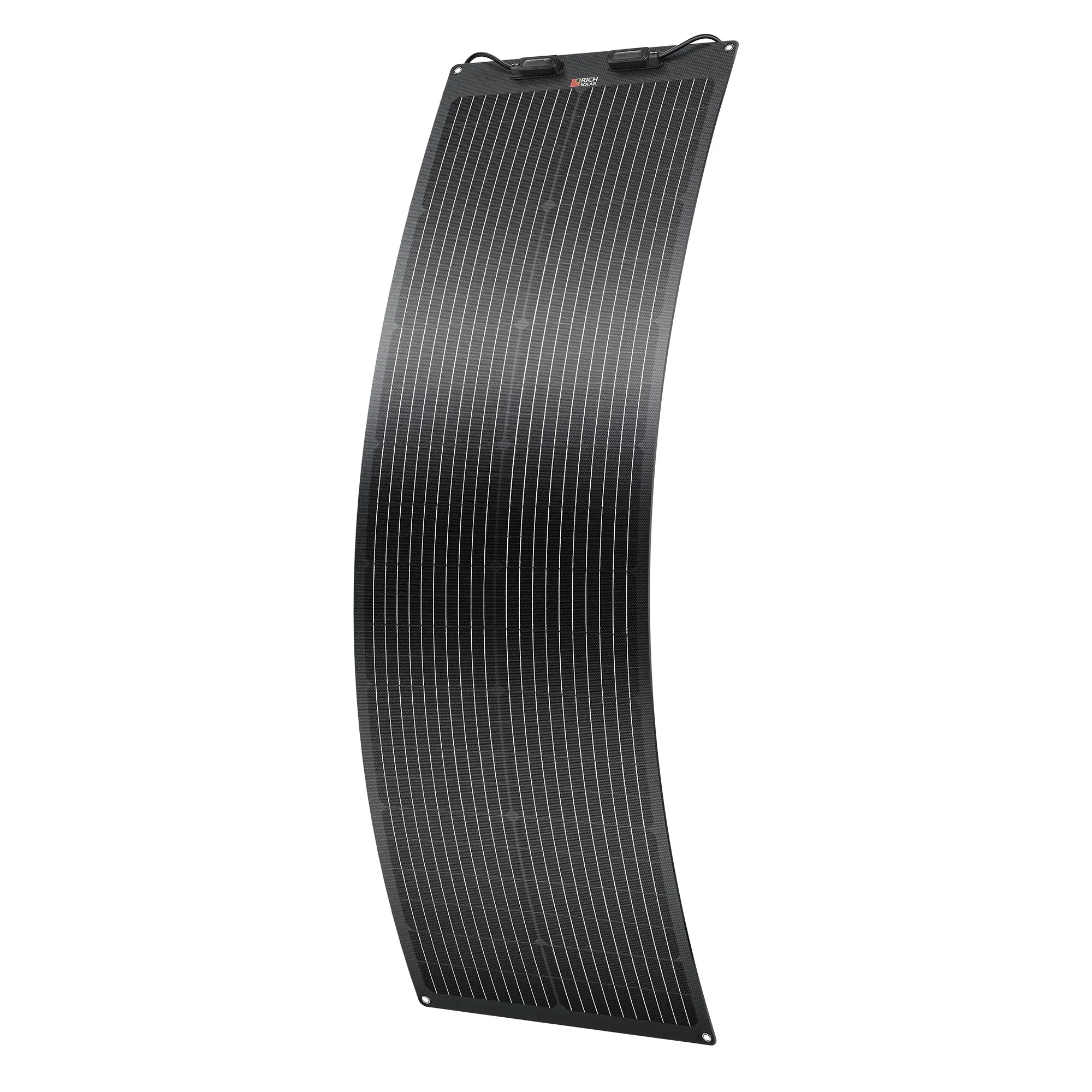
MEGA 100 PRO FLEX | 100W 24V Flexible Solar Panel | Ultra-Lightweight for RV, Marine, Off-Grid & Overland
View product ↗100 W
$169.99
Features 24V off-grid flexible solar panel.
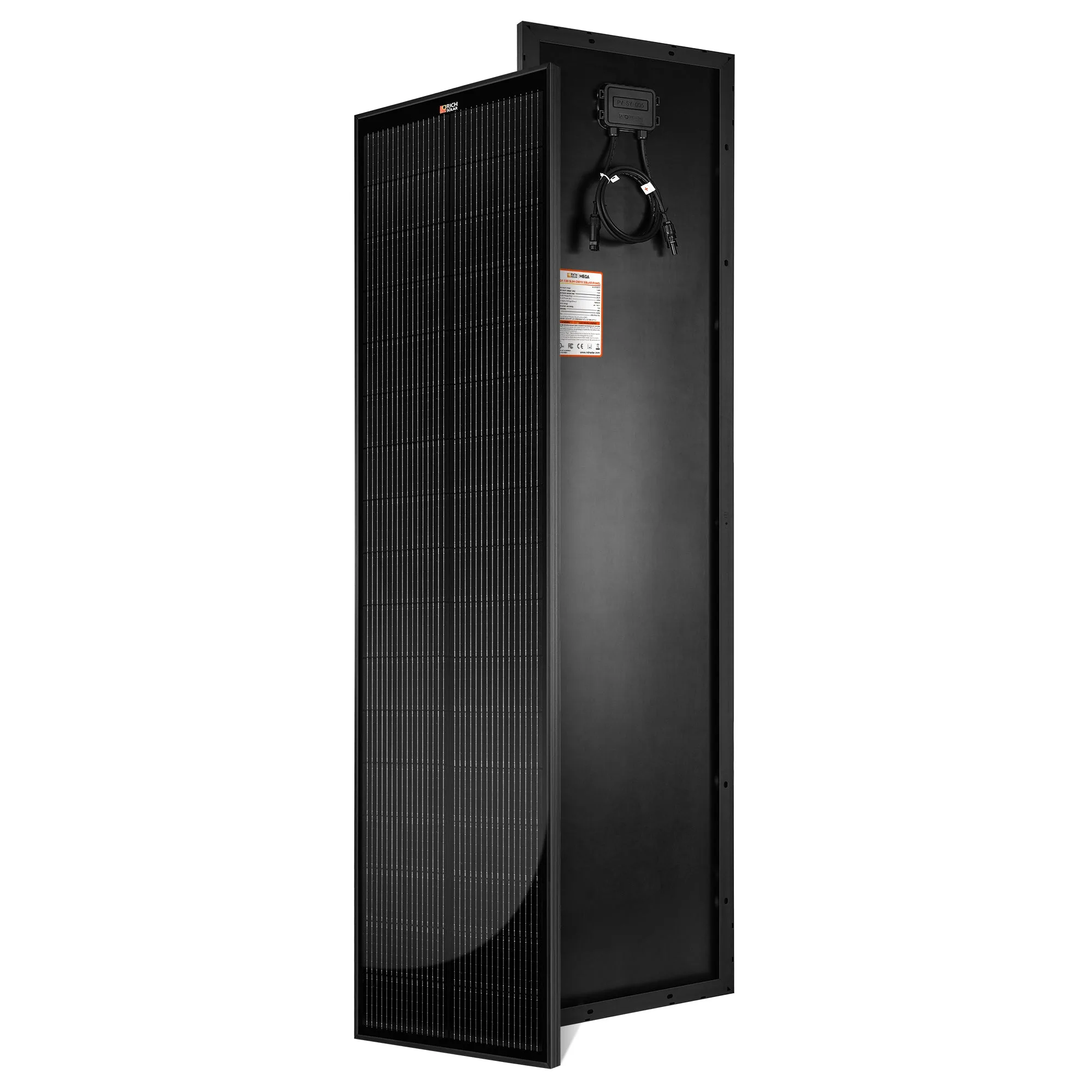
MEGA 130 SLIM ONYX | 130 Watt Slim Solar Panel | Compact 12V Narrow Panel for Vans, Campers, Boats | 25-Year Output Warranty | UL Certified
View product ↗130 W
$169.99
Features 12V off-grid solar panel.
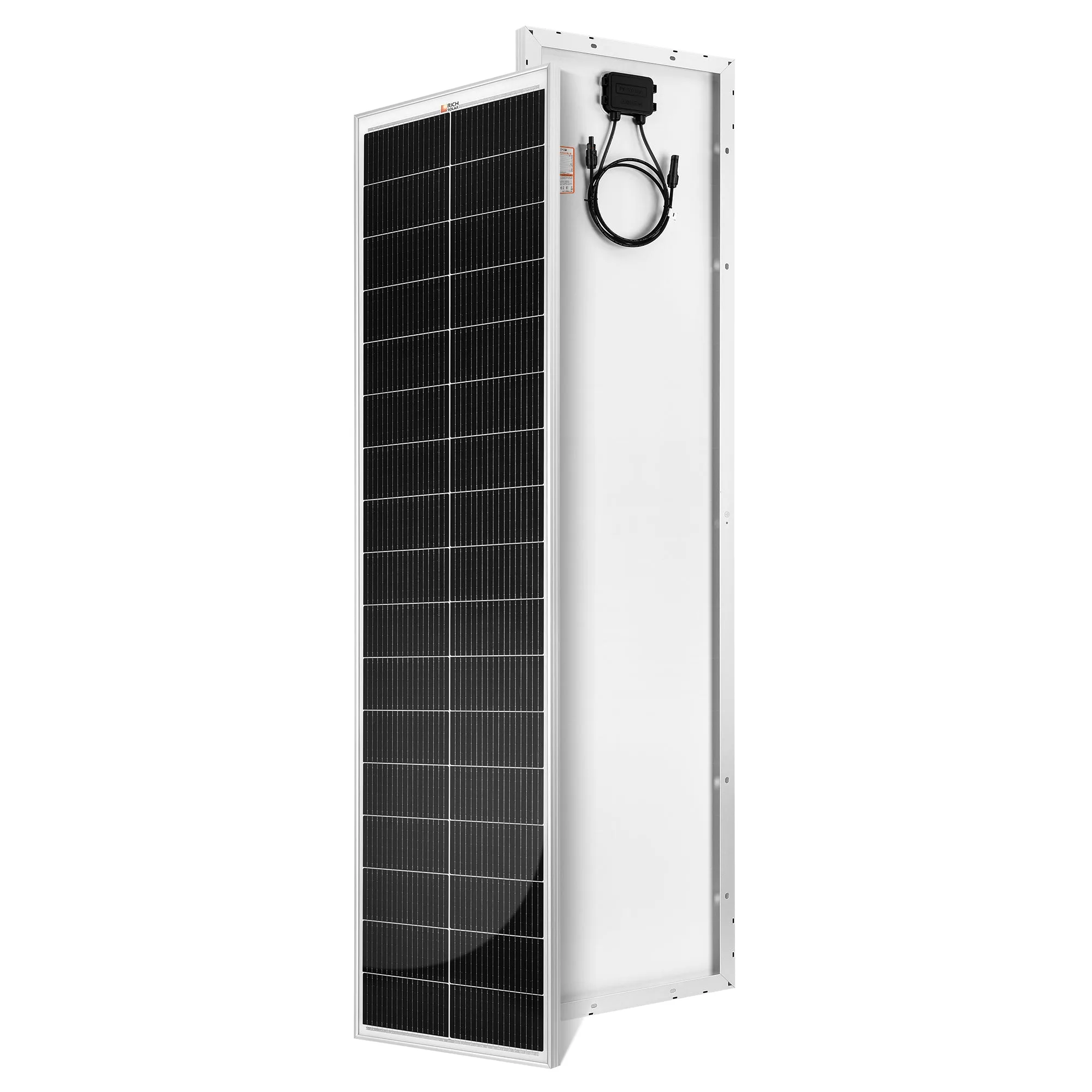
MEGA 130 SLIM | 130 Watt Slim Solar Panel | Compact 12V Narrow Panel for Vans, Campers, Boats | 25-Year Output Warranty | UL Certified
View product ↗130 W
$169.99
Features 12V off-grid solar panel.
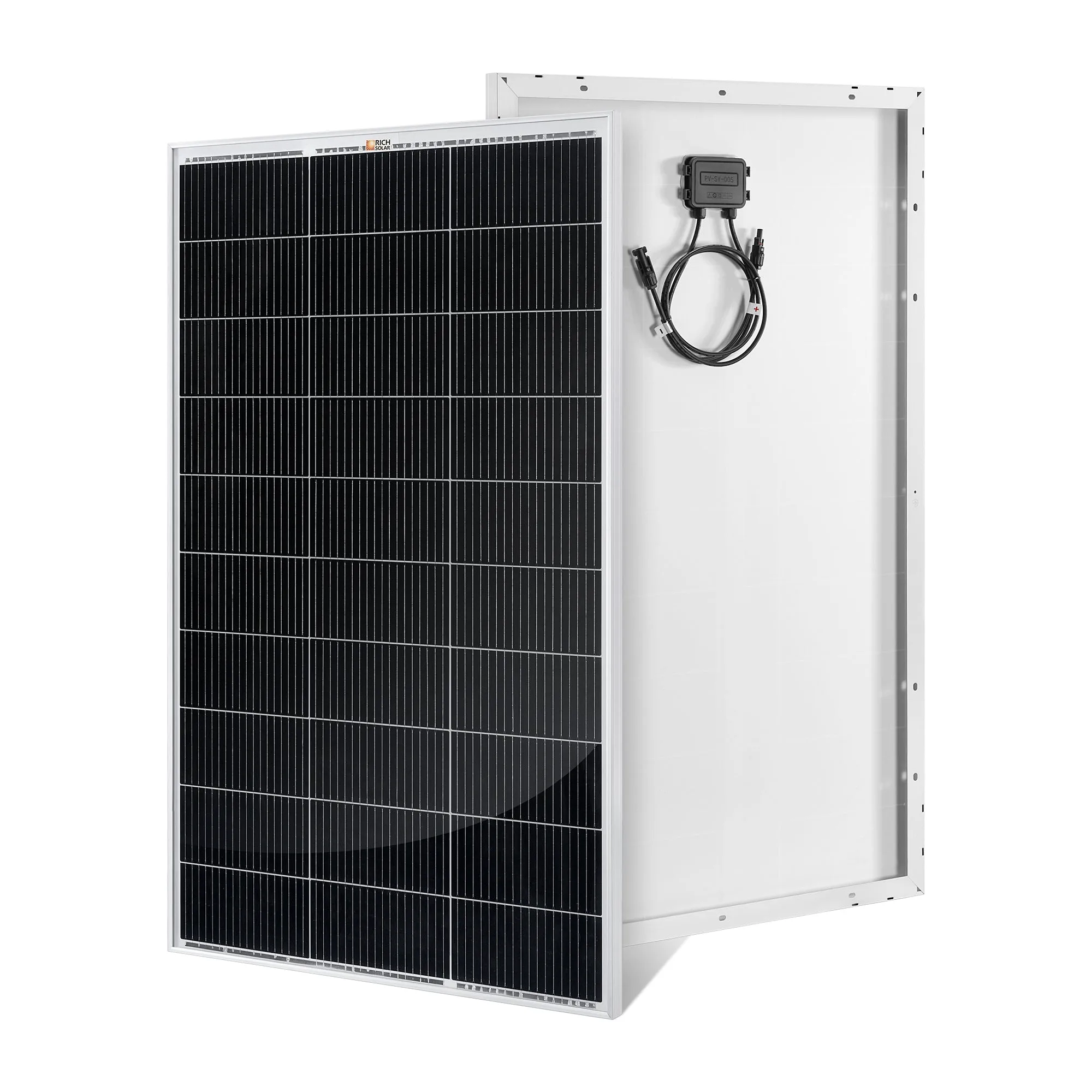
MEGA 150 | 150 Watt Solar Panel | Lightweight 12V Off-Grid Solar Panel for RVs, Cabins, Boats | 25-Year Output Warranty | UL Certified
View product ↗150 W
$169.99
Combining 24.8% high efficiency and a compact design, the MEGA 150 solar panel provides optimized solar energy for any off-grid application.
100 W ×2 pcs = 200W
$175.99
200 W
$179.99
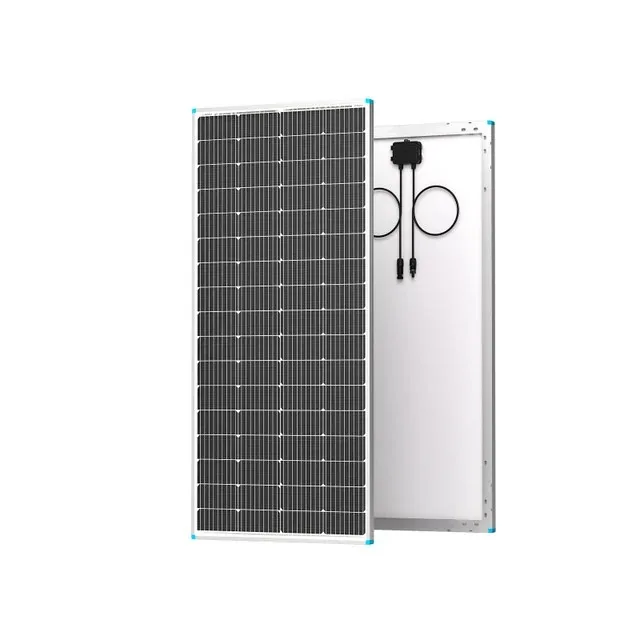
200 W
$186.99
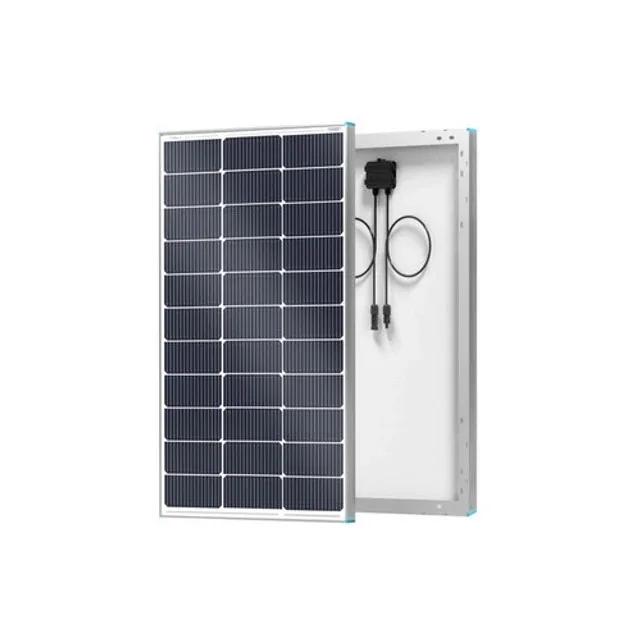
100 W ×2 pcs = 200W
$188.99
200 W
$199.99
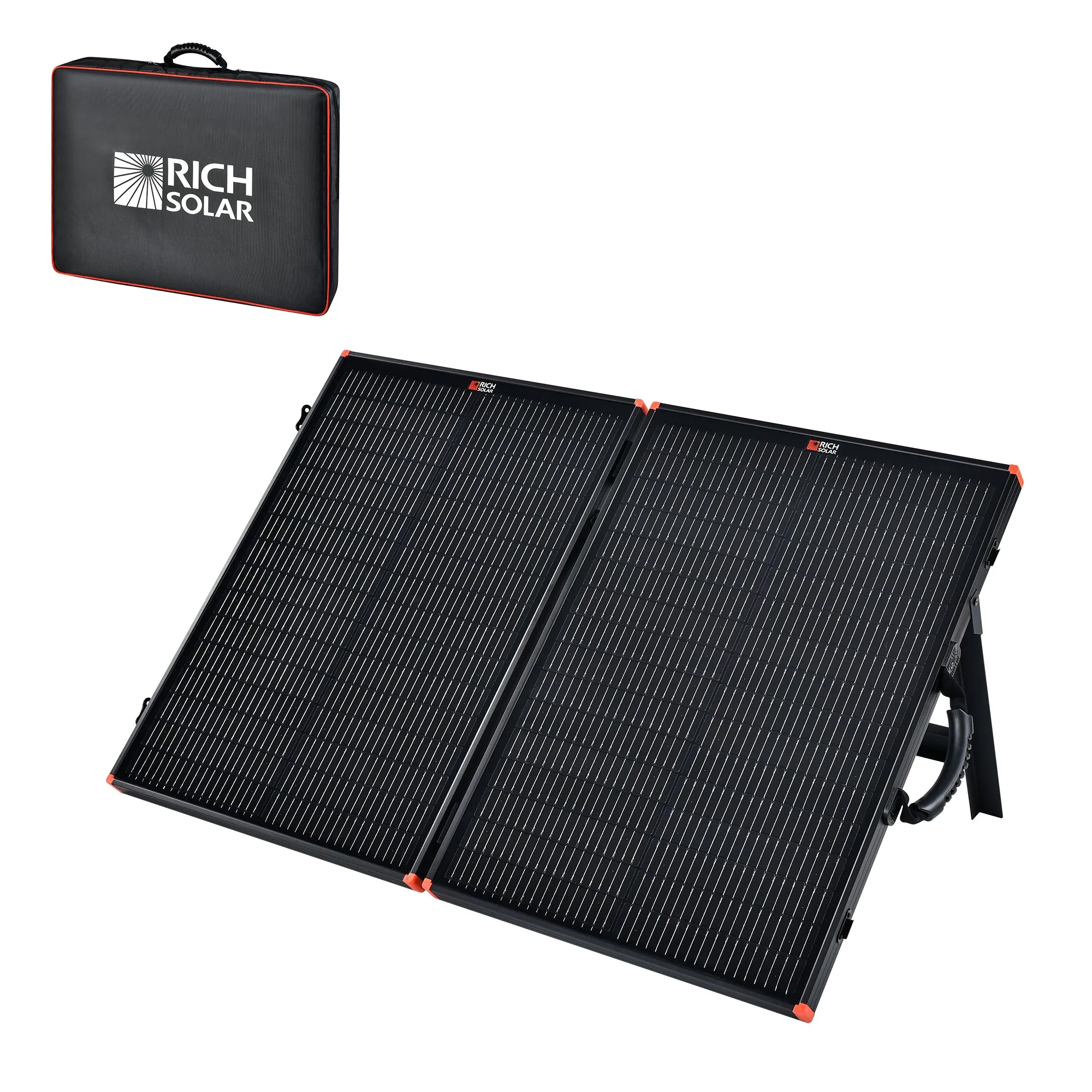
MEGA 100 Portable Briefcase Solar Panel | 100 Watt Portable Solar Panel | Premier 12V Portable Solar Panel for Generators, Power Stations, Vans | High Efficiency BACKORDER
View product ↗100 W
$199.99
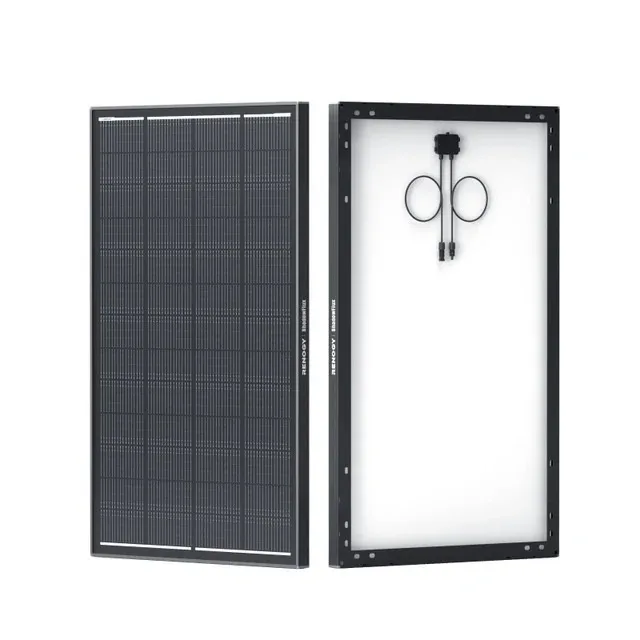
200 W
$237.99
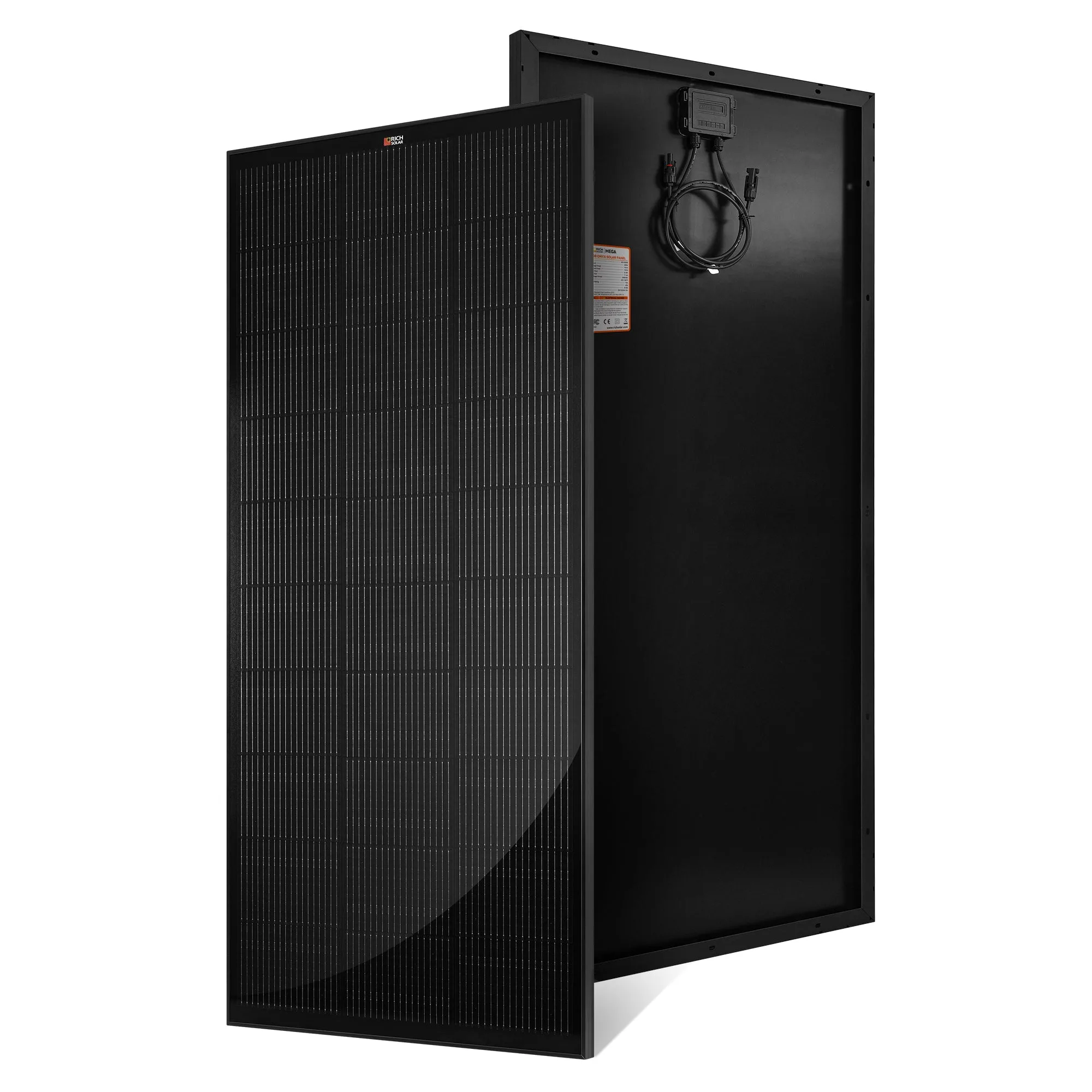
MEGA 200 ONYX | 200 Watt Solar Panel | Premier 12V Off-Grid Solar Panel for RVs Cabins, Boats | 25-Year Output Warranty | UL Certified
View product ↗200 W
$239.99
The MEGA 200 Solar Panel delivers reliable 200-watt power, ideal for off-grid applications like RVs, boats, and cabins.
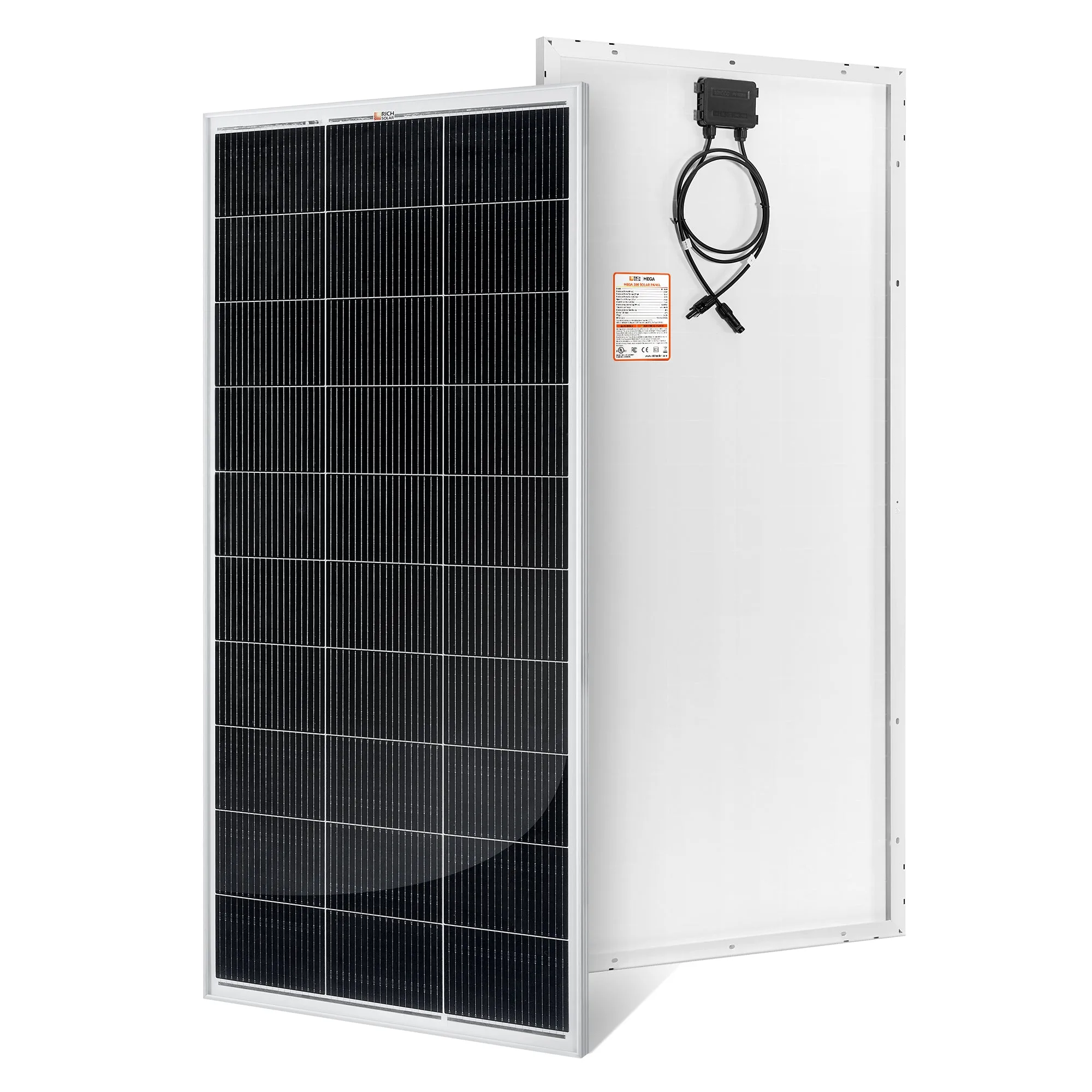
MEGA 200 | 200 Watt Solar Panel | Premier 12V Off-Grid Solar Panel for RVs Cabins, Boats | 25-Year Output Warranty | UL Certified
View product ↗200 W
$239.99
The MEGA 200 Solar Panel delivers reliable 200-watt power, ideal for off-grid applications like RVs, boats, and cabins.
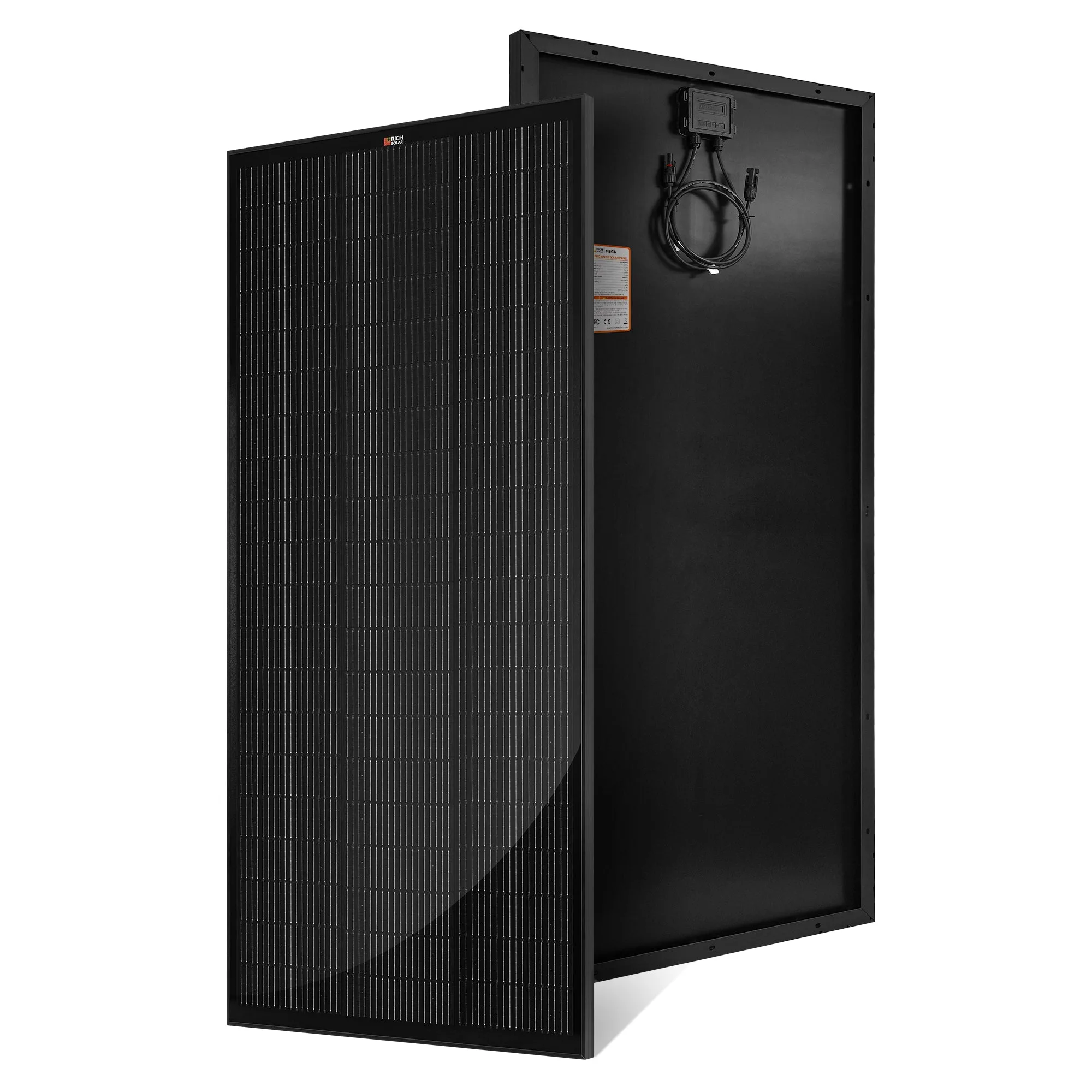
MEGA 200 PRO ONYX | 200 Watt 24 Volt Solar Panel | Premium 24V Off-Grid Solar Panel for RVs, Trailers, Cabins | 25-Year Output Warranty | UL Certified
View product ↗200 W
$249.99
Features 24V off-grid solar panel.
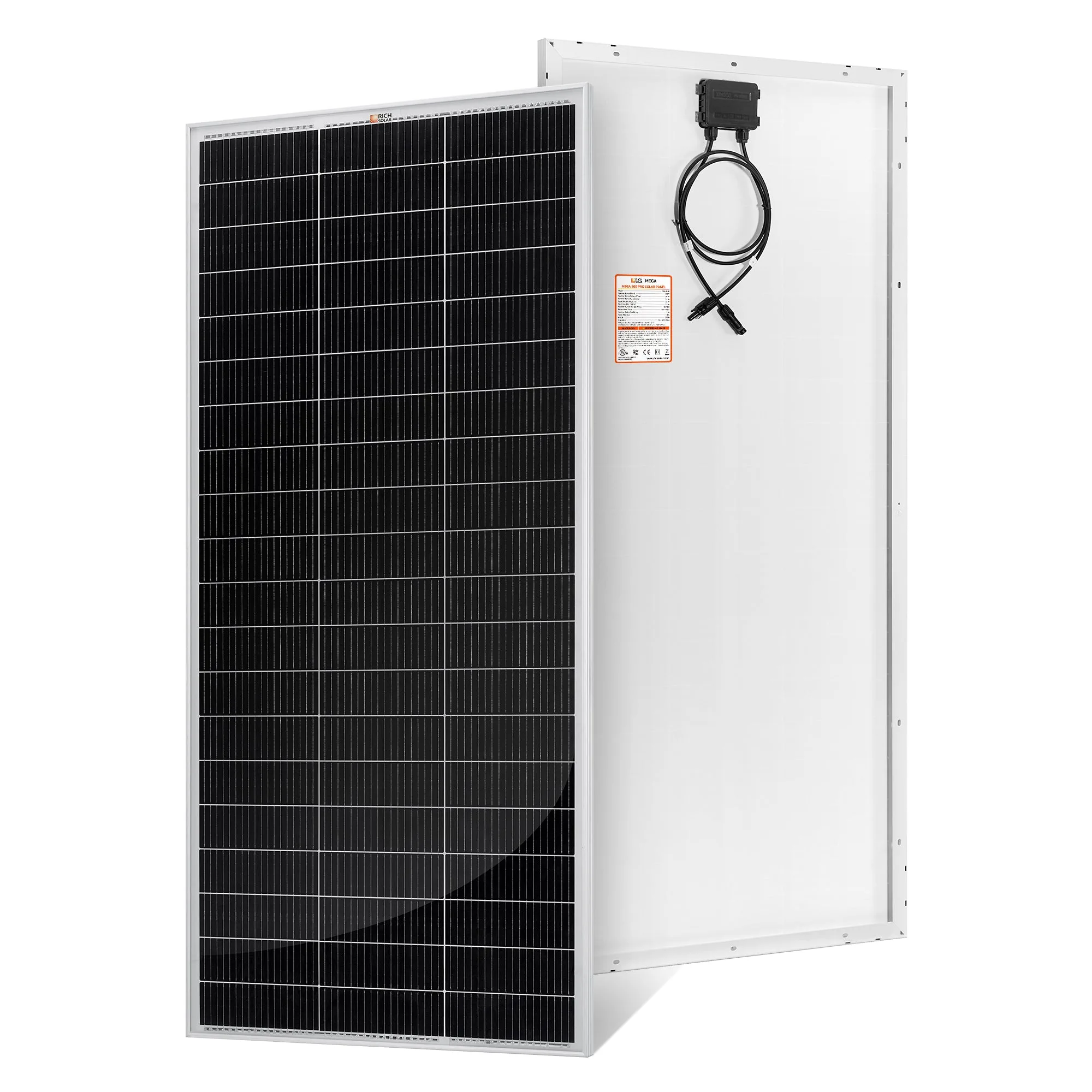
MEGA 200 PRO | 200 Watt 24 Volt Solar Panel | Premium 24V Off-Grid Solar Panel for RVs, Trailers, Cabins | 25-Year Output Warranty | UL Certified
View product ↗200 W
$249.99
Features 24V off-grid solar panel.
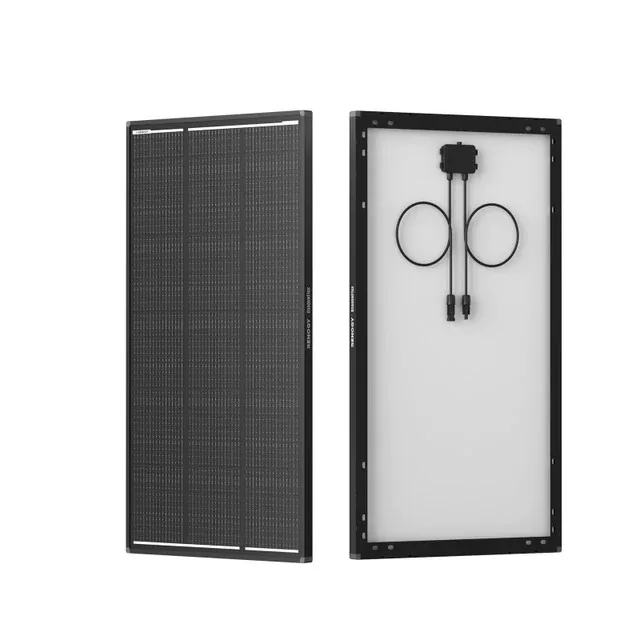
120 W ×2 pcs = 240W
$252.99
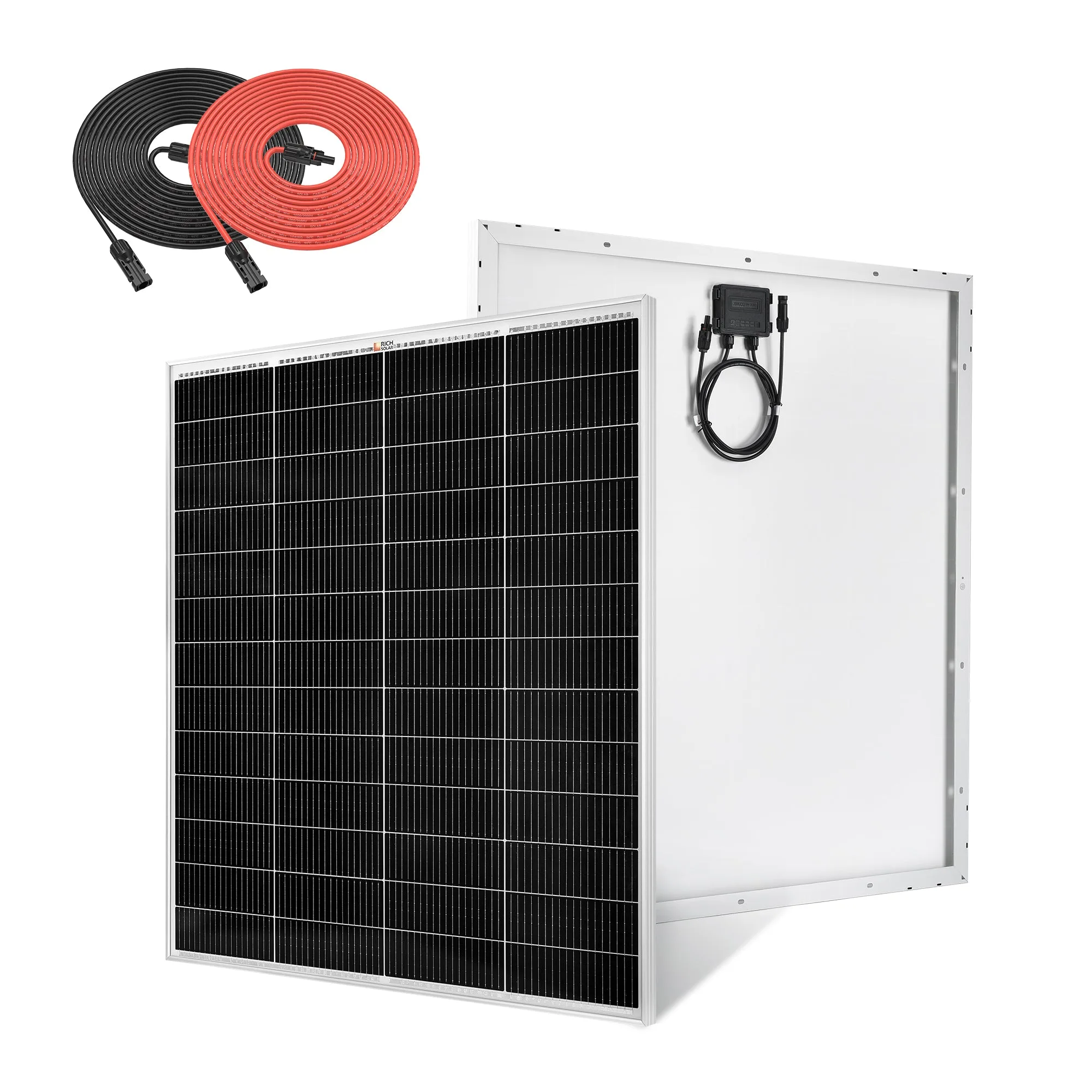
MEGA 175 PRO | 175 Watt Solar Panel with 20 FT MC4 Extension Cable Set | 24V Off-Grid Solar Panel for Vans, Campers & Boats | 25-Year Output Warranty | UL Certified
View product ↗175 W
$259.99
Features 24V off-grid solar panel.
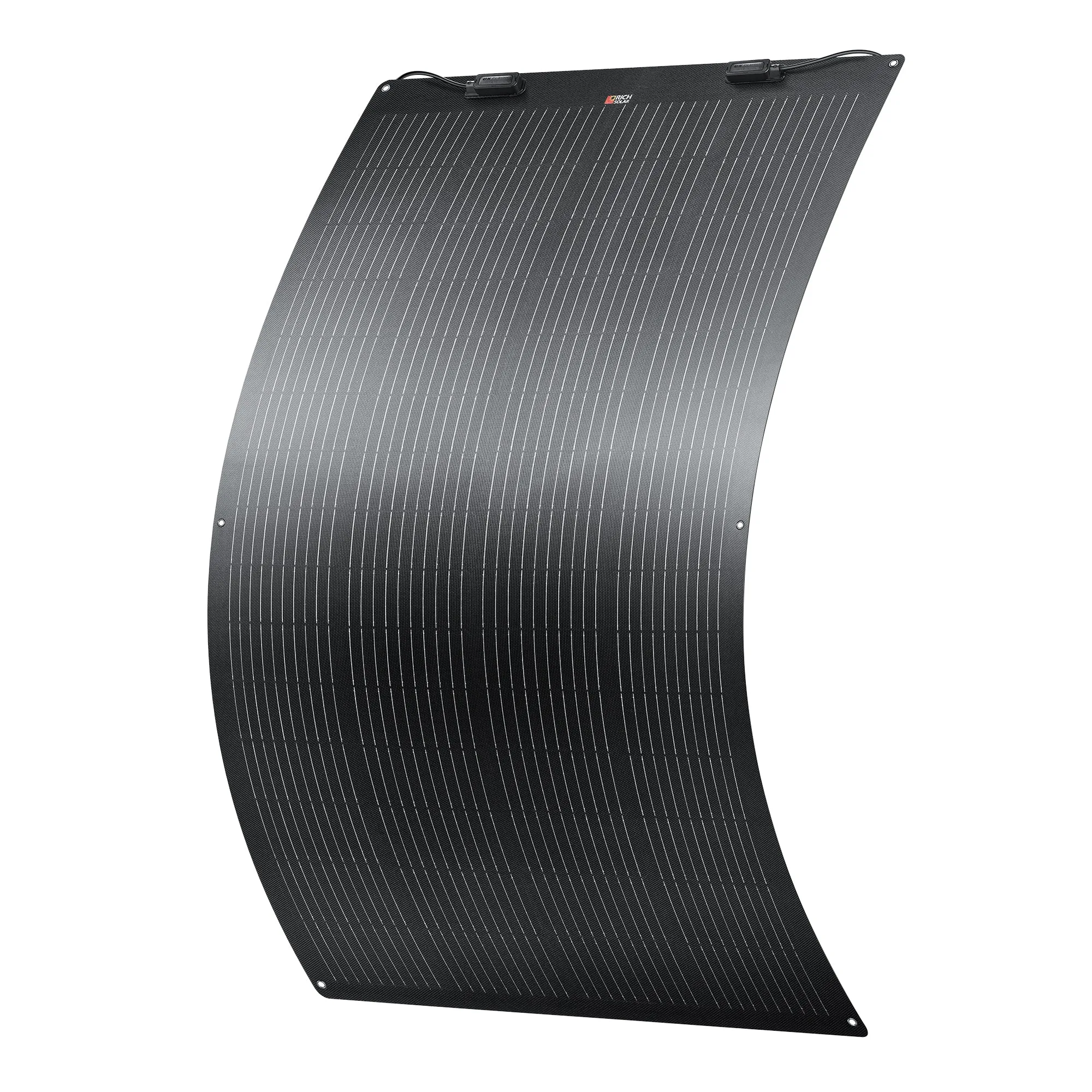
MEGA 200 PRO FLEX | 200W 24V Flexible Solar Panel | 360° Bendable, IP68 Waterproof, for RV Roofs, Marine, Off-Grid, and Overland Systems
View product ↗200 W
$299.99
Features 24V off-grid flexible solar panel.
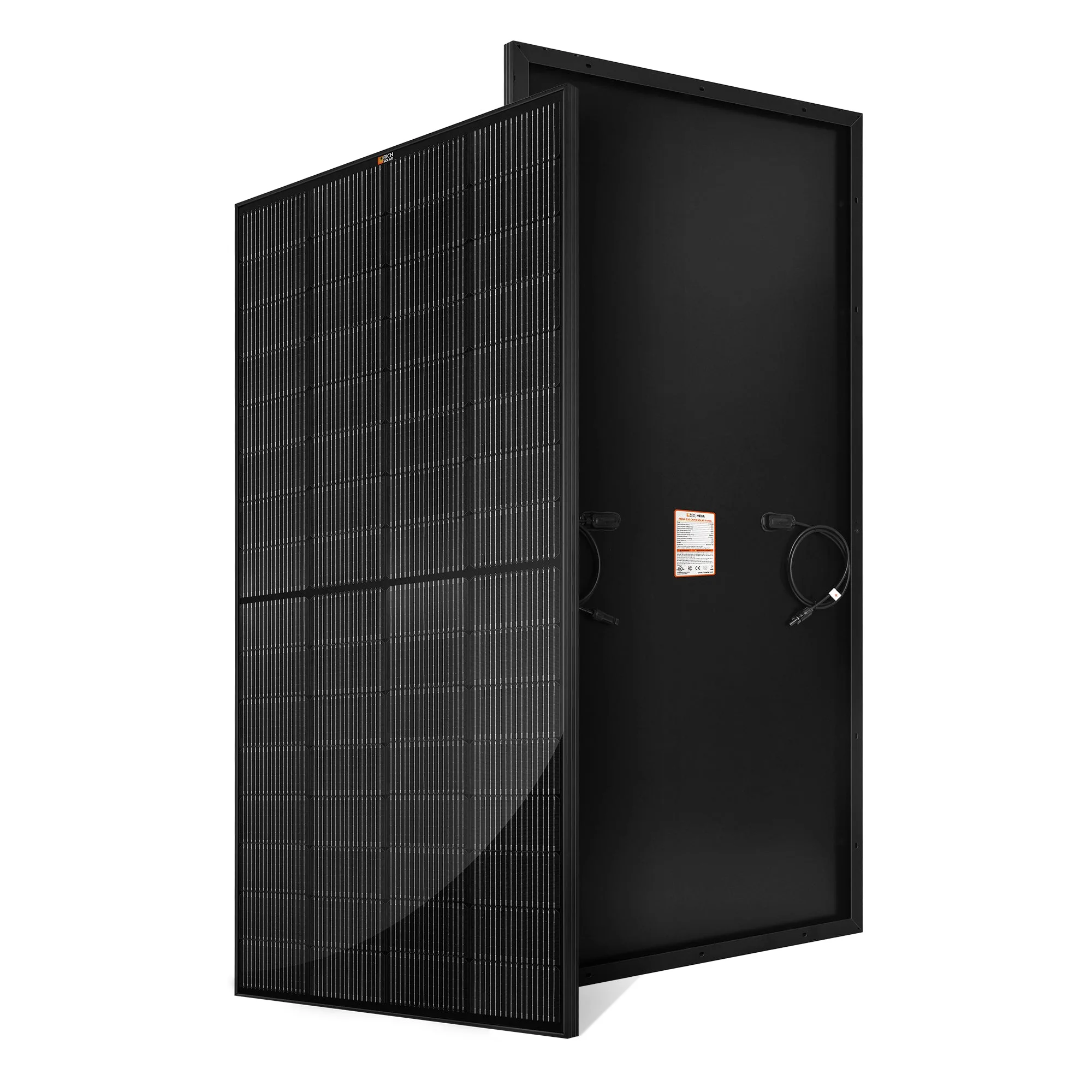
MEGA 250 ONYX | 250 Watt Solar Panel | Premier 12V Off-Grid Solar Panel for RVs, Vans, Boats | 25-Year Output Warranty | UL Certified
View product ↗250 W
$299.99
Features 12V off-grid solar panel.
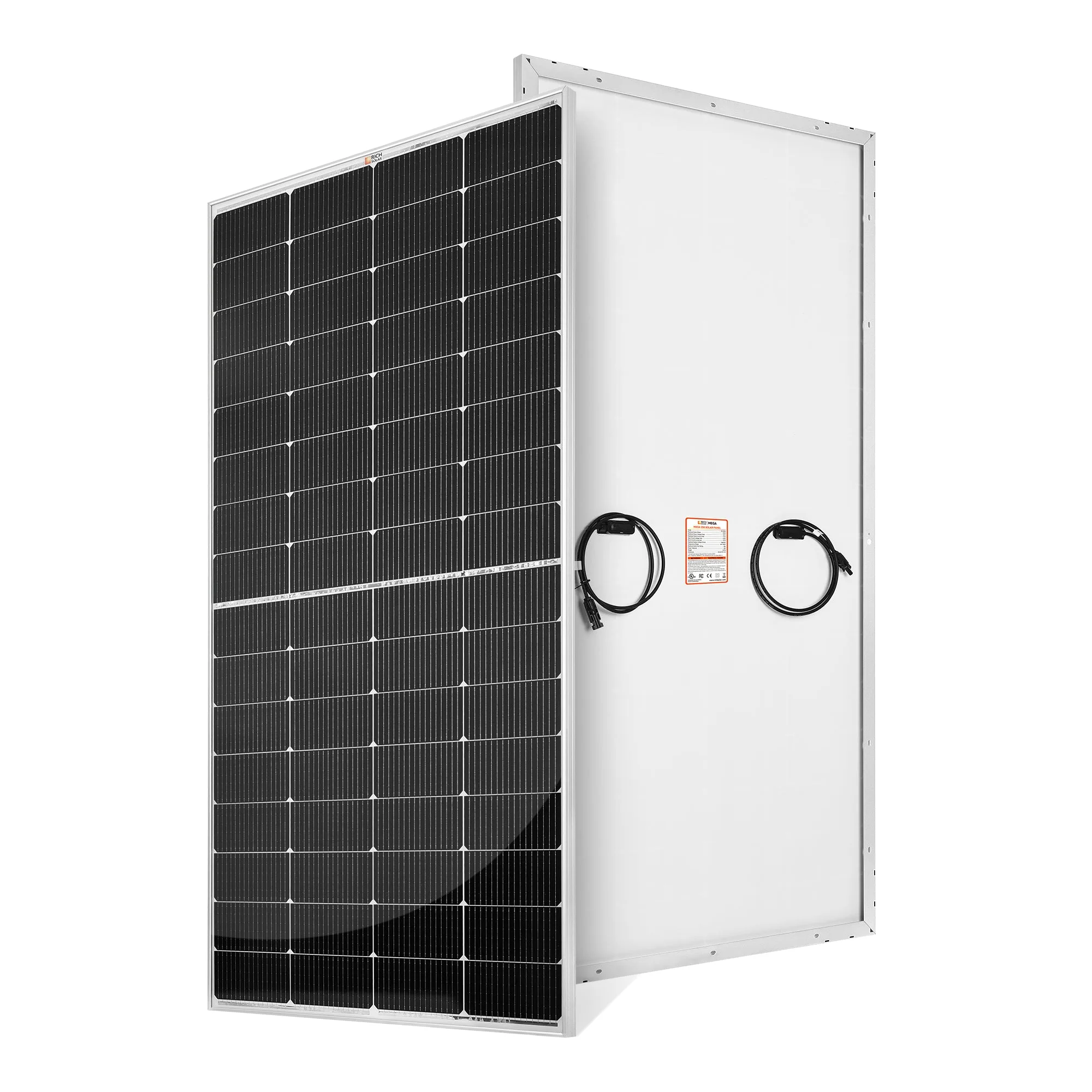
MEGA 250 | 250 Watt Solar Panel | Premier 12V Off-Grid Solar Panel for RVs, Vans, Boats | 25-Year Output Warranty | UL Certified
View product ↗250 W
$299.99
Features 12V off-grid solar panel.
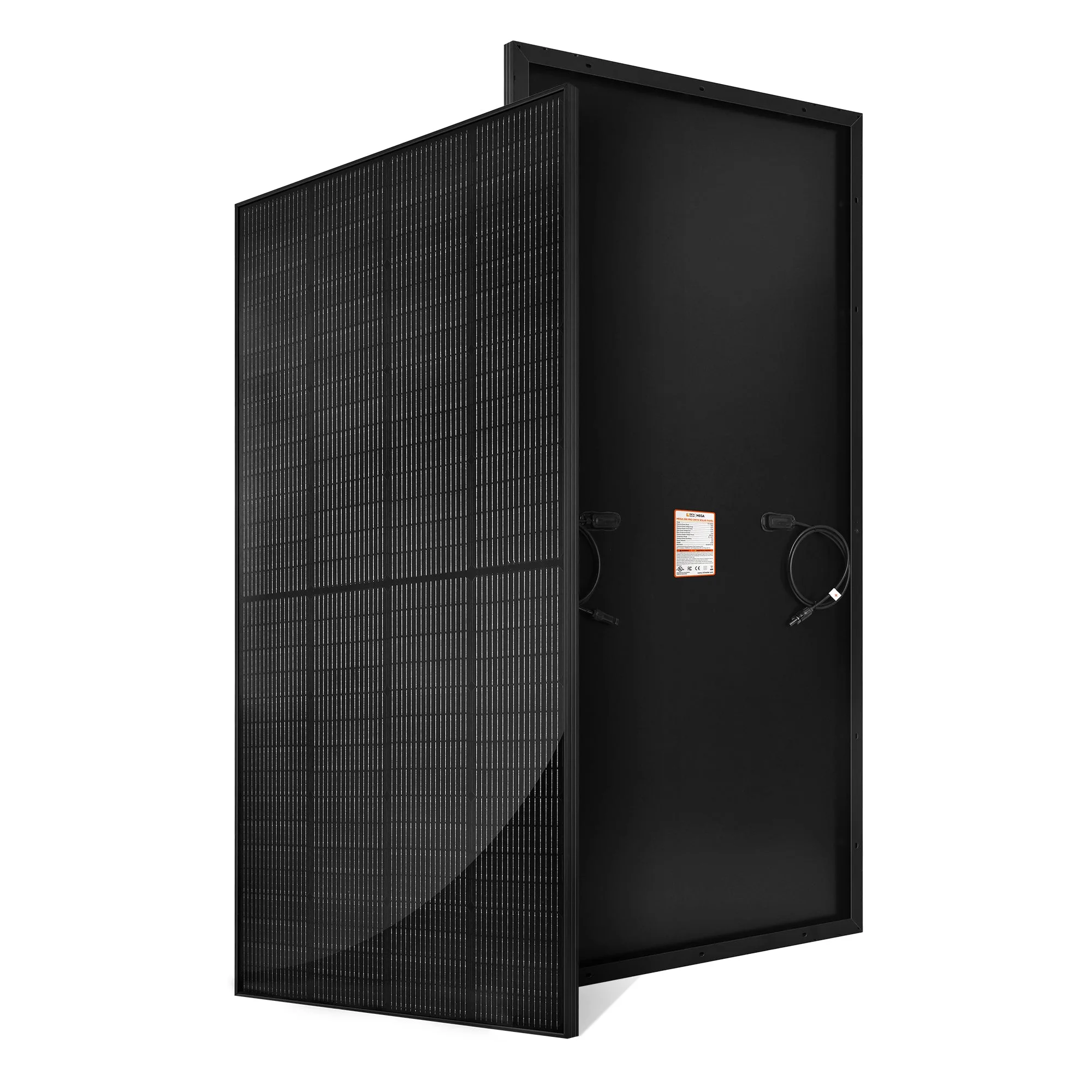
MEGA 250 PRO ONYX | 250 Watt 24 Volt Solar Panel | Premium 24V Off-Grid Solar Panel for Campers, Tiny Homes, Cabins | 25-Year Output Warranty | UL Certified
View product ↗250 W
$319.99
Combining anodized aluminum frames, high efficiency, and split energy technology, the MEGA 250 PRO is designed to maximize solar energy production in any climate.
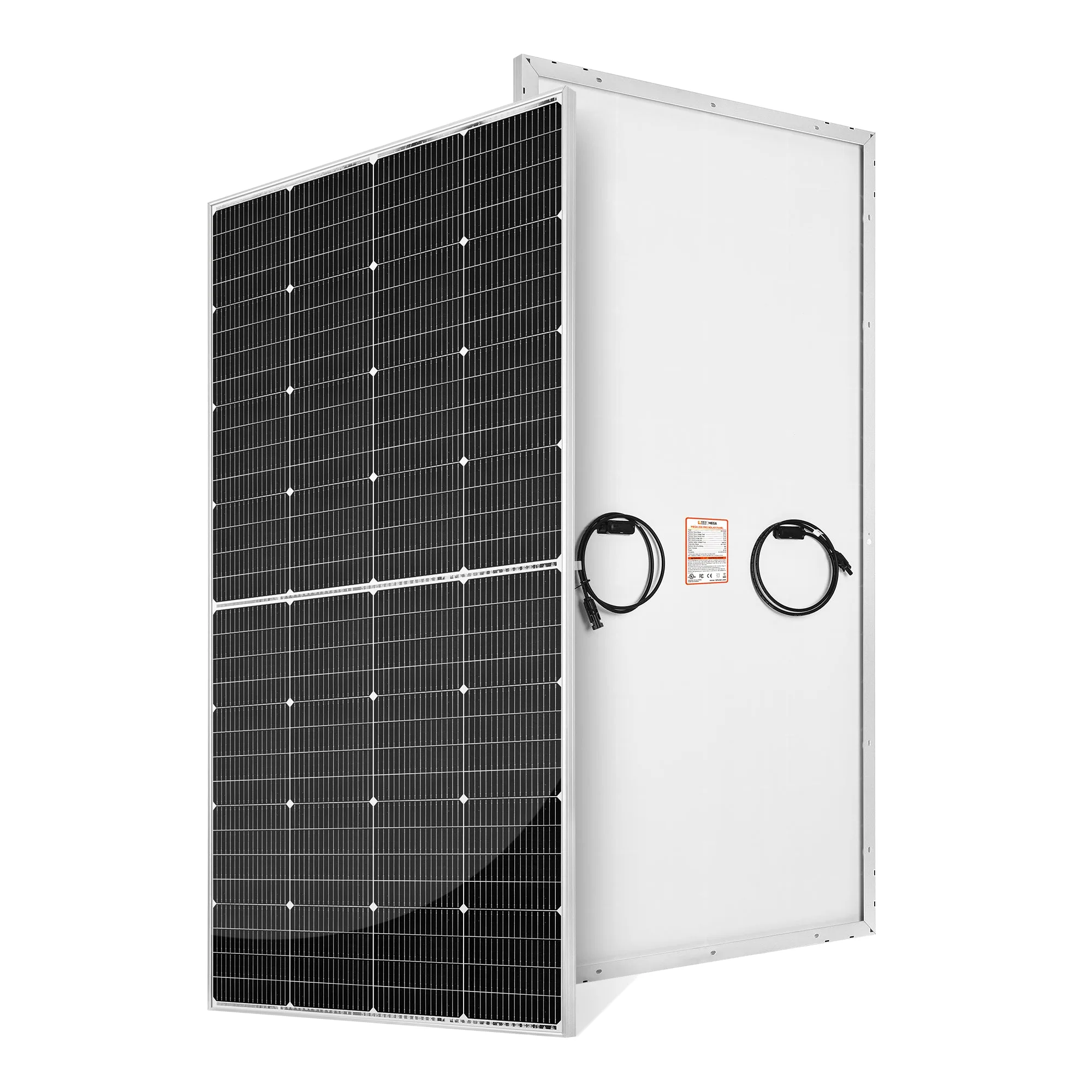
MEGA 250 PRO | 250 Watt 24 Volt Solar Panel | Premium 24V Off-Grid Solar Panel for Campers, Tiny Homes, Cabins | 25-Year Output Warranty | UL Certified
View product ↗250 W
$319.99
Combining anodized aluminum frames, high efficiency, and split energy technology, the MEGA 250 PRO is designed to maximize solar energy production in any climate.
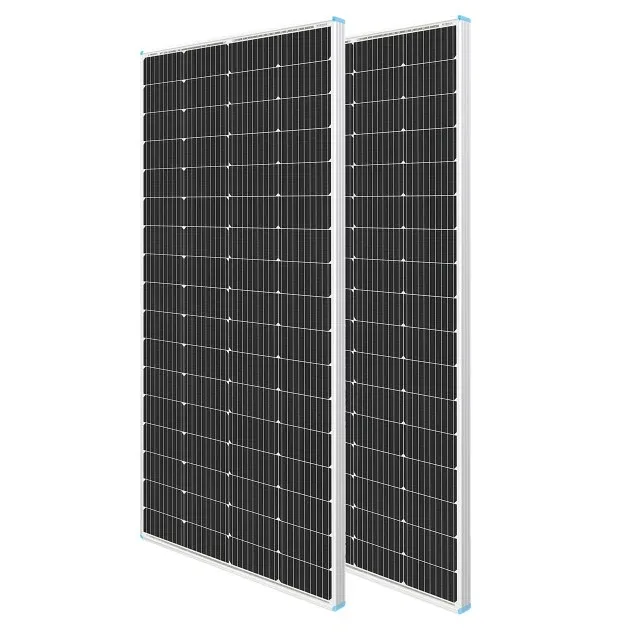
200 W ×2 pcs = 400W
$371.99
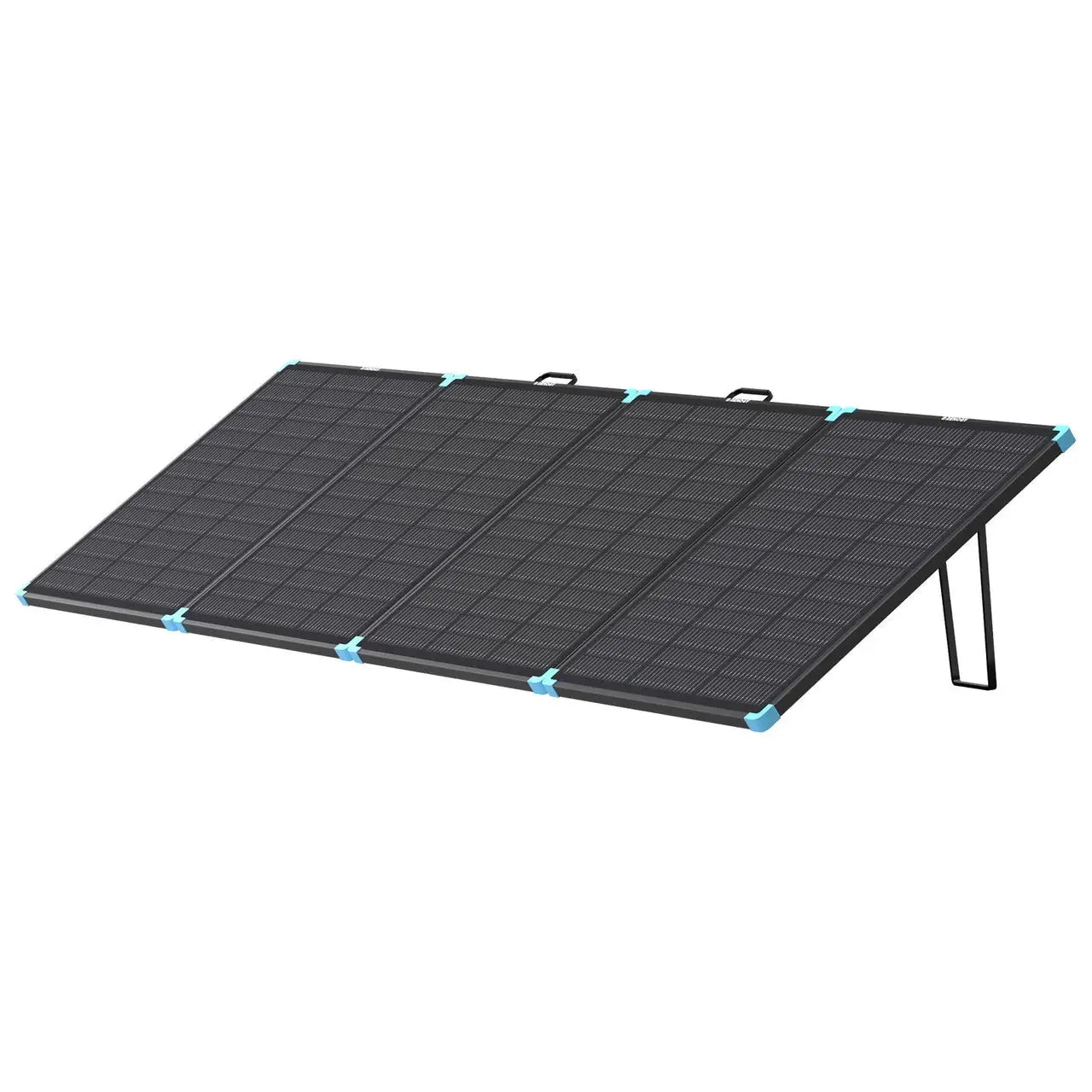
300 W
$386.99
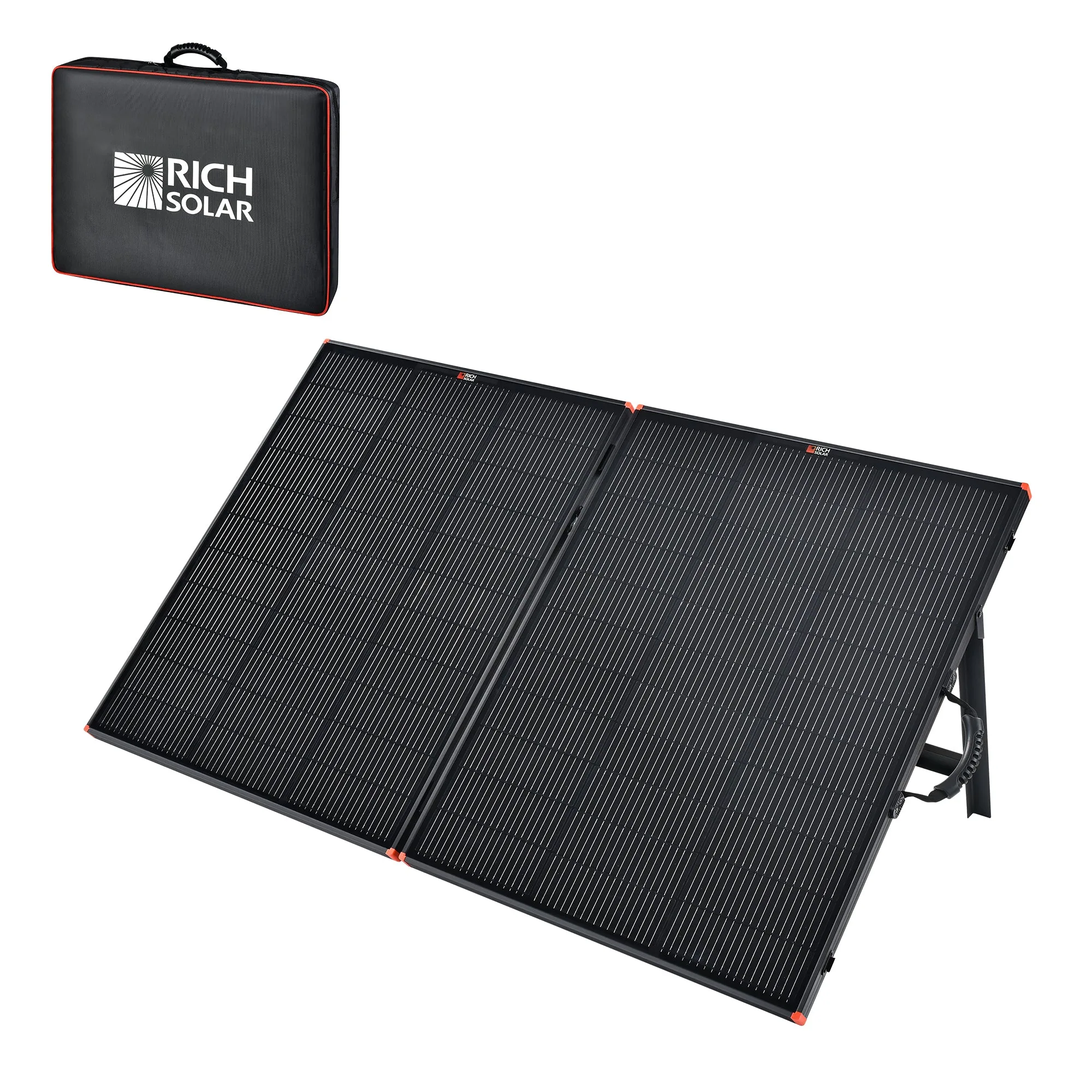
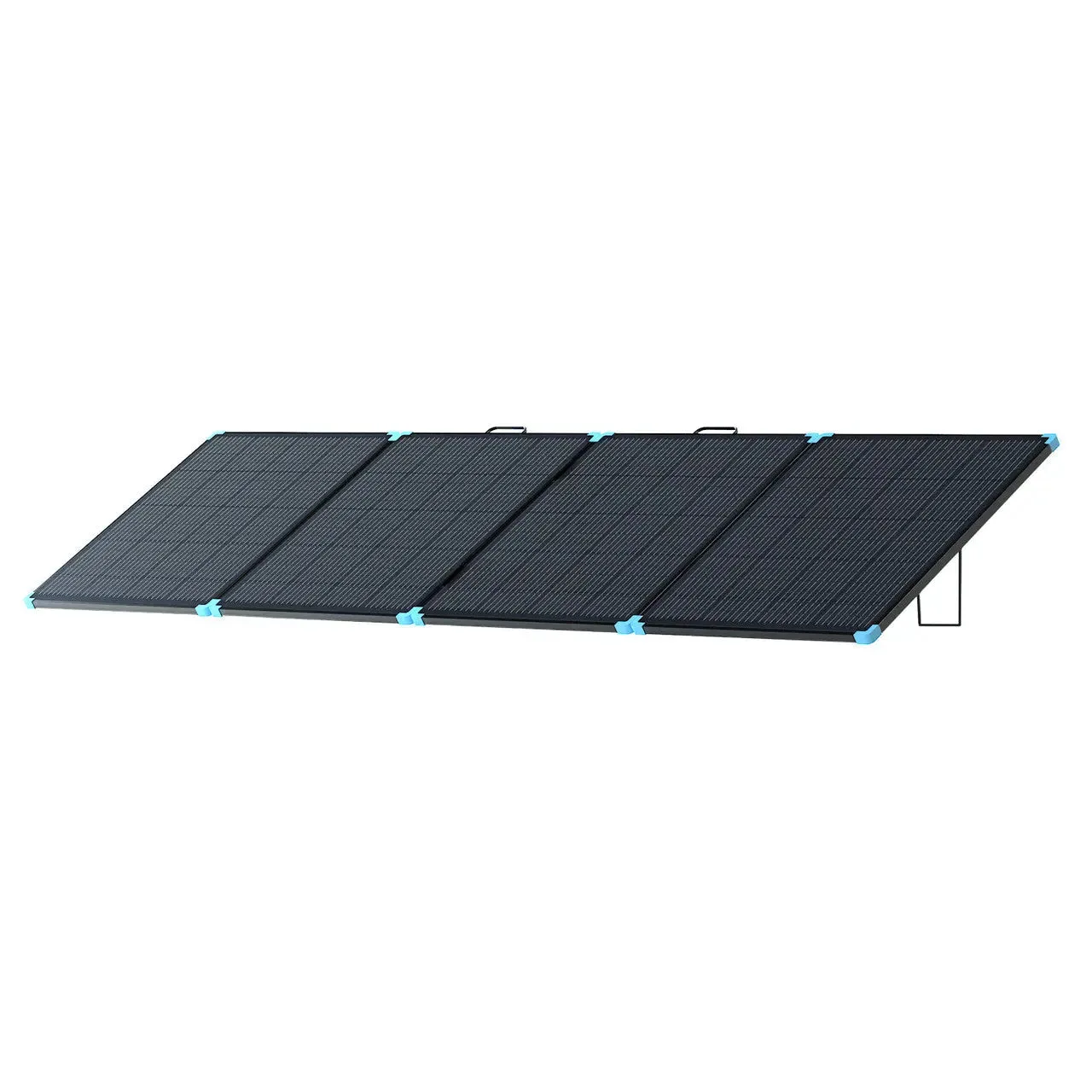
MEGA 200 Portable Briefcase Solar Panel | 200 Watt Portable Solar Panel | Powerful 12V Portable Solar Panel for Generators, Power Stations, Campers | High Efficiency
View product ↗200 W
$399.99
Charge Portable Power Stations & Solar Generators The MEGA 200 Portable Briefcase Panel is an easy-to-use portable solar panel that's perfect for any off-grid application.
200 W ×2 pcs = 400W
$465.99
400 W
$469.99
400 W
$495.99
320 W ×2 pcs = 640W
$639.99
320 W ×4 pcs = 1,280W
$1,099.99
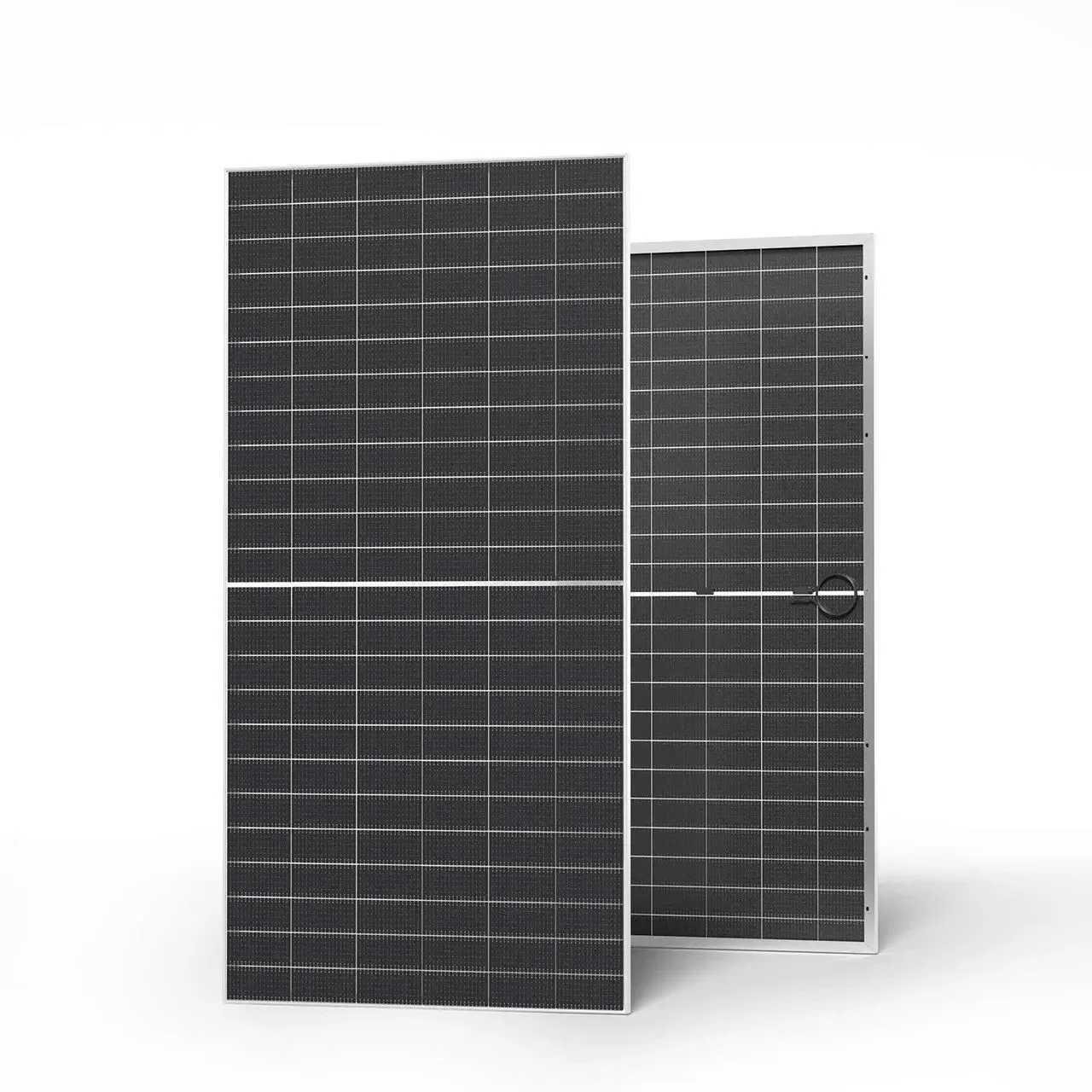
590 W ×2 pcs = 1,180W
$1,189.99
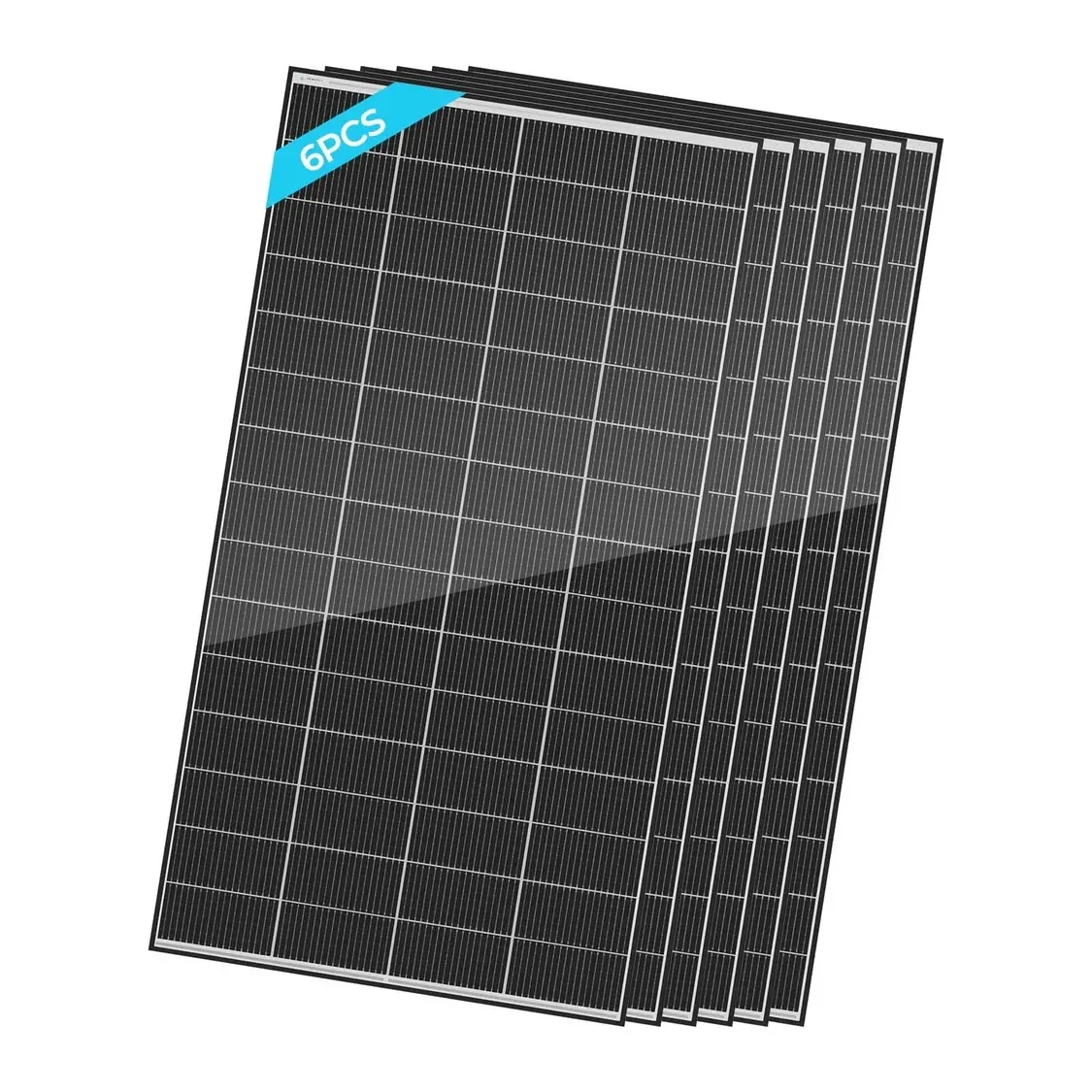
320 W ×6 pcs = 1,920W
$1,599.99
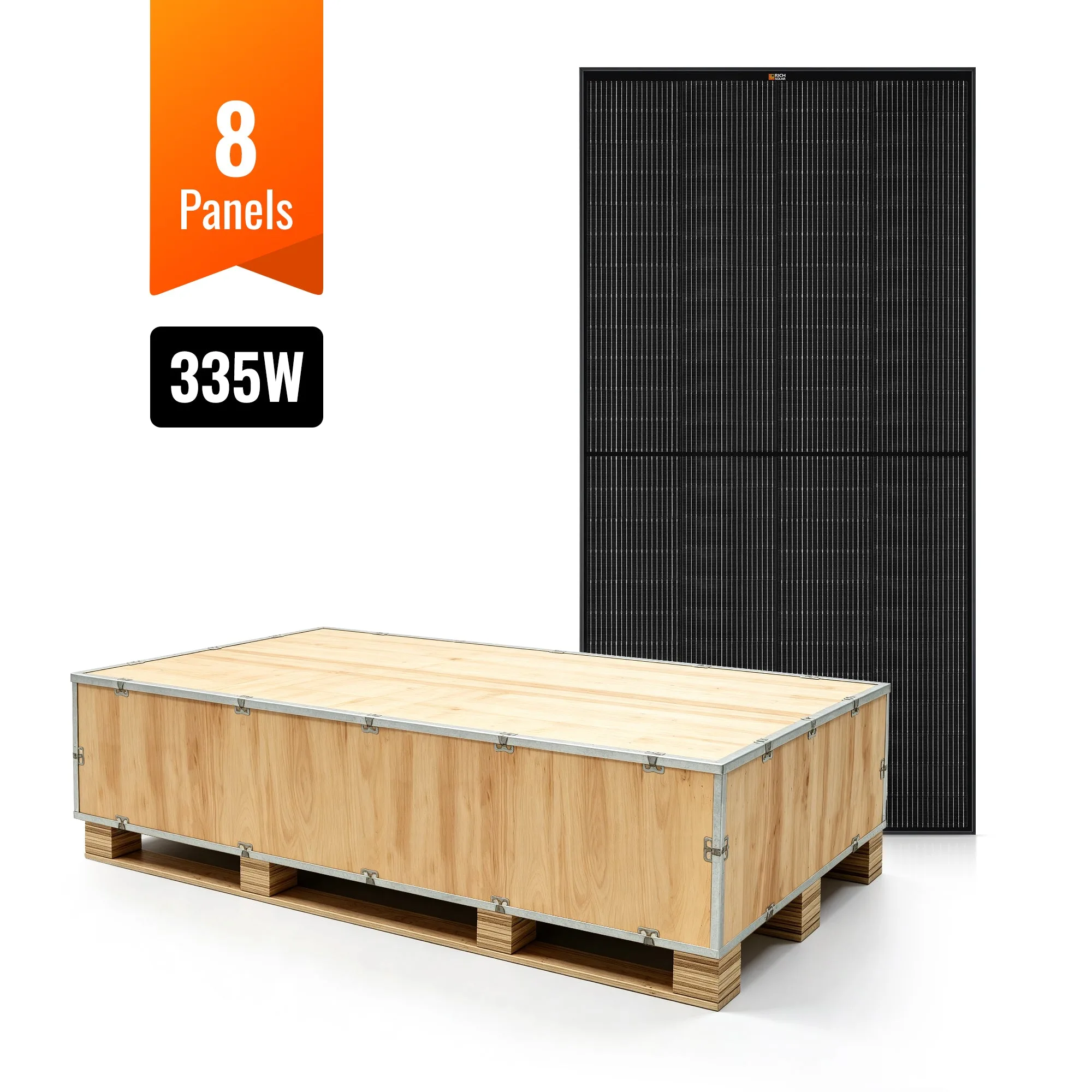
MEGA 335 PRO ONYX | 335 Watt Solar Panel | Premium Grid-tie or Off-grid Solar Panel for Residential, Commercial, Agriculture | 25-Year Output Warranty | UL Certified
View product ↗335 W ×8 pcs = 2,680W
$2,299.99
PALLET SHIPPING ONLY!
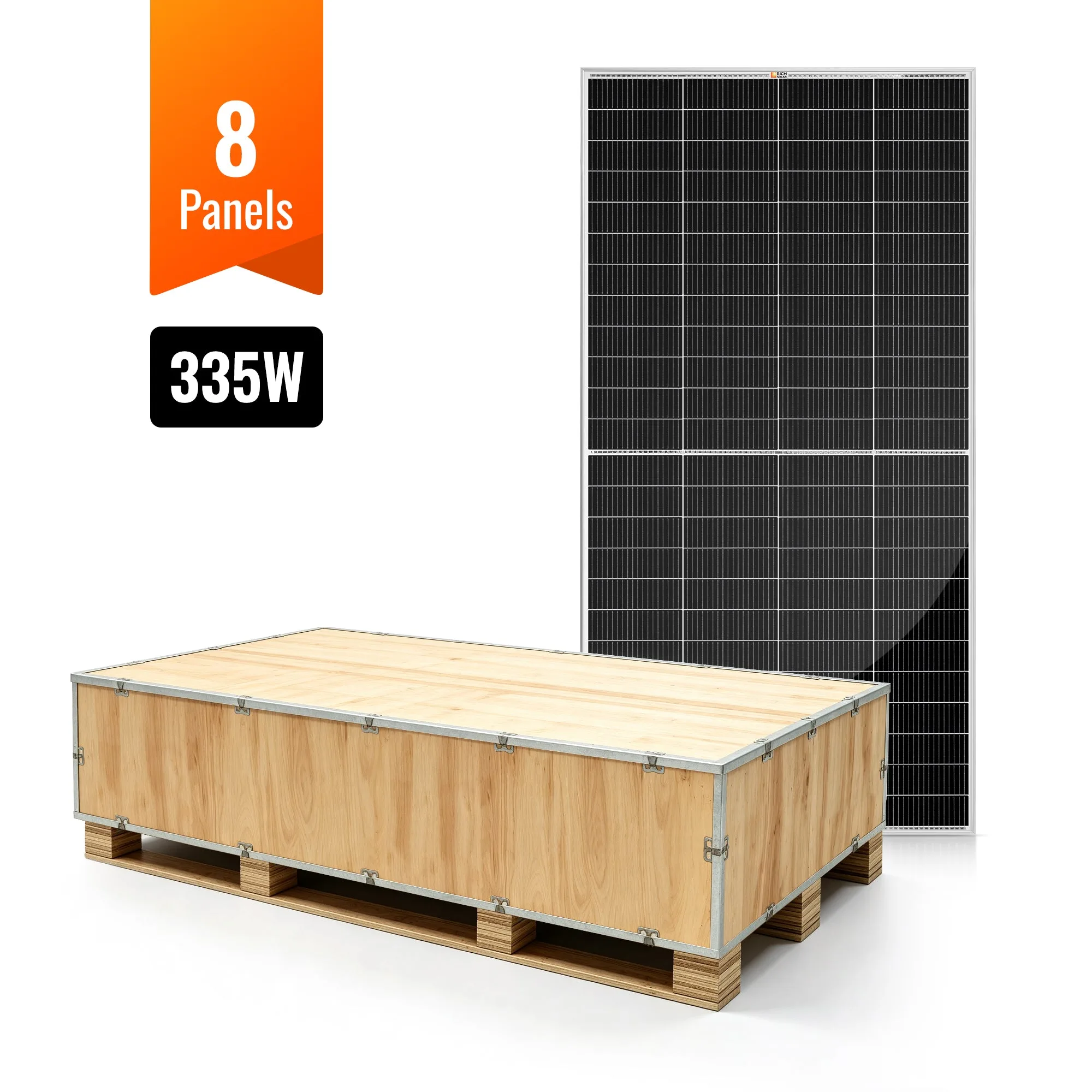
MEGA 335 PRO | 335 Watt Solar Panel | Premium Grid-tie or Off-grid Solar Panel for Residential, Commercial, Agriculture | 25-Year Output Warranty | UL Certified
View product ↗335 W ×8 pcs = 2,680W
$2,299.99
PALLET SHIPPING ONLY!
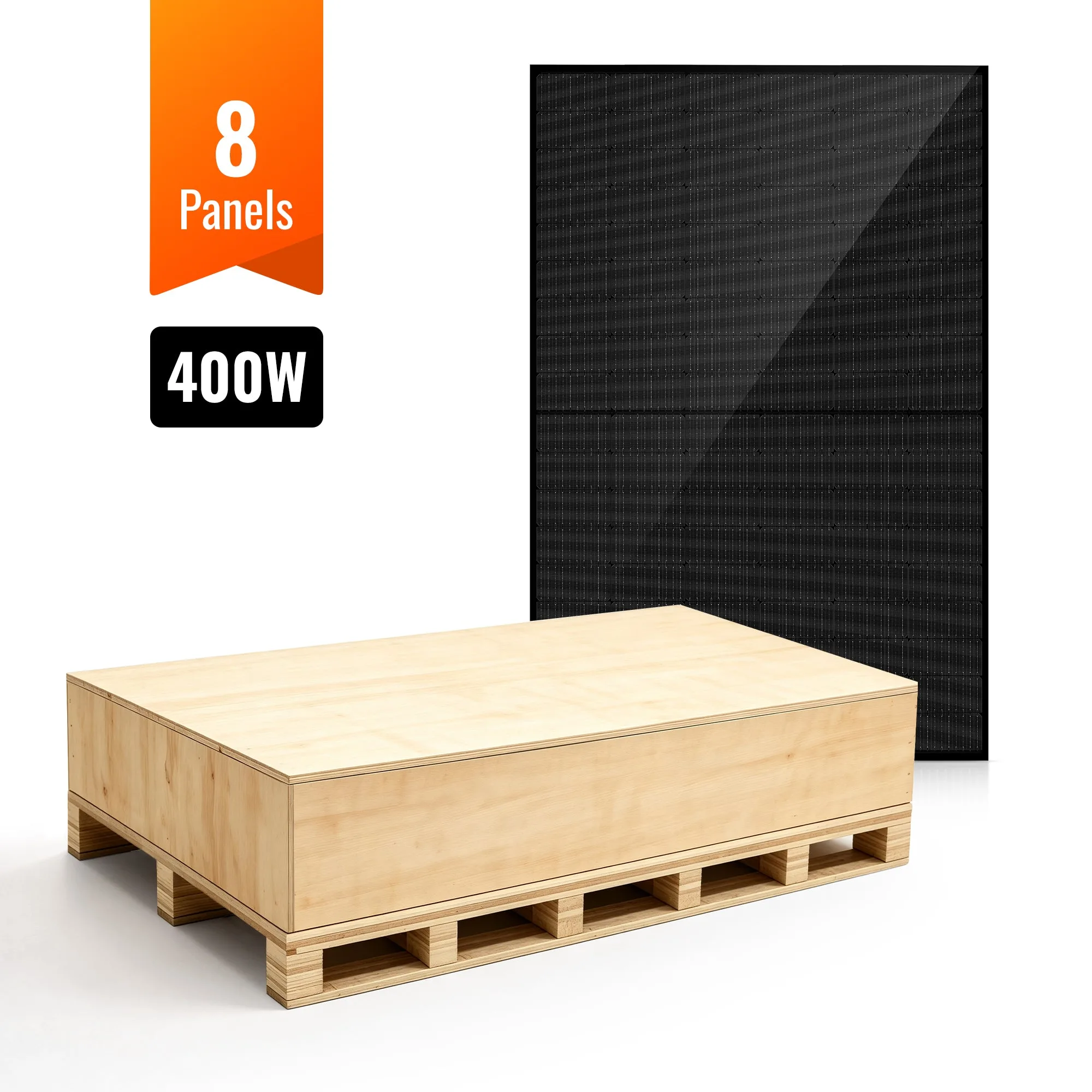
MEGA 400 | 400 Watt Solar Panel | Premium Grid-tie or Off-grid Solar Panel for Residential, Commercial, Agriculture | 25-Year Output Warranty | UL Certified
View product ↗400 W ×8 pcs = 3,200W
$2,699.99
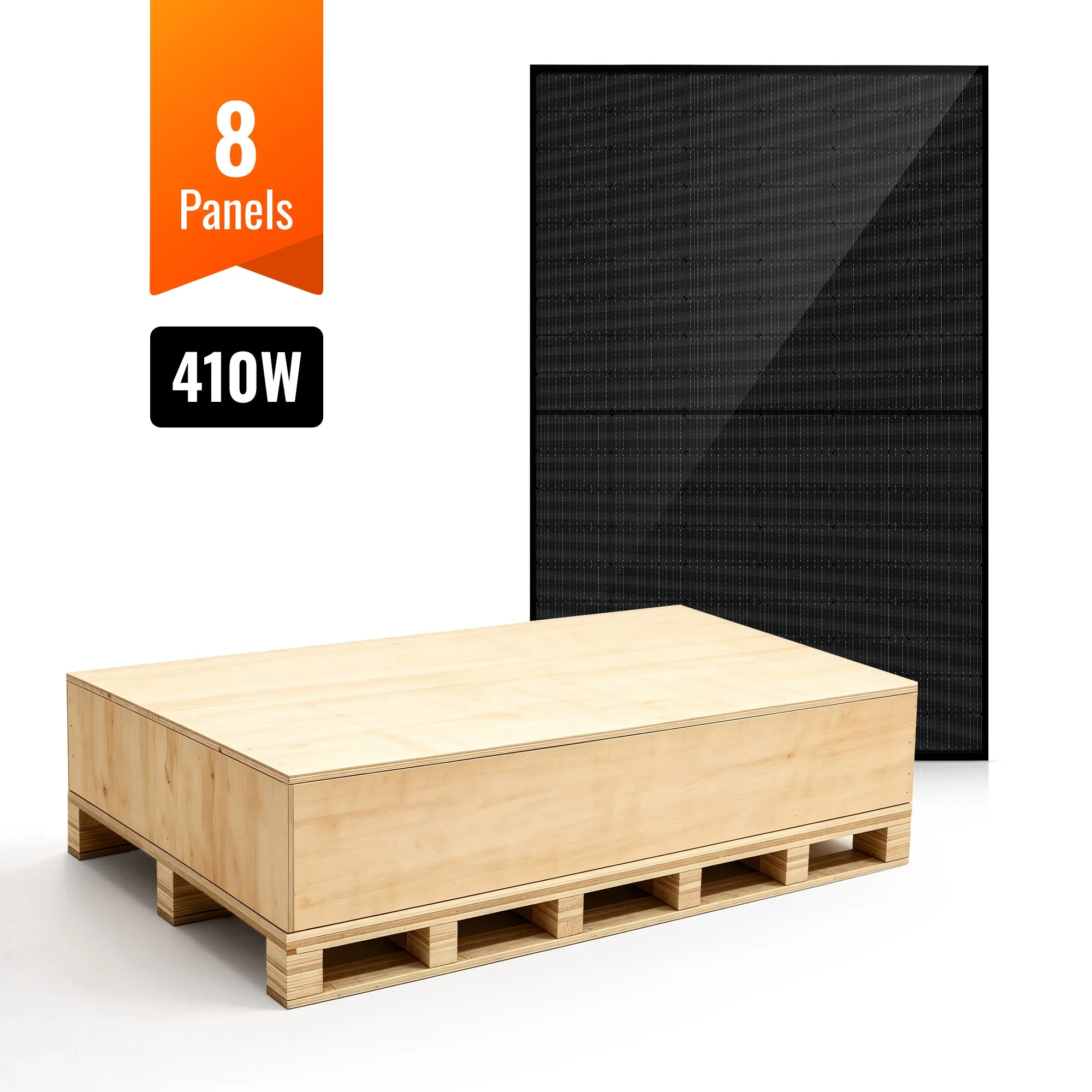
MEGA 410 | 410 Watt Solar Panel | Premium Grid-tie or Off-grid Solar Panel for Residential, Commercial, Agriculture | 25-Year Output Warranty | UL Certified
View product ↗410 W ×8 pcs = 3,280W
$2,799.99
PALLET SHIPPING ONLY!

MEGA 430 BIFACIAL | 430W Bifacial N-Type Solar Panel | Premium 24V Grid-tie or Off-grid Solar Panel for Residential, Commercial, Agriculture | 25-Year Output Warranty | UL Certified
View product ↗430 W ×8 pcs = 3,440W
$2,899.99
PALLET SHIPPING ONLY!

MEGA 440 BIFACIAL | 440W Bifacial N-Type Solar Panel | Premium 24V Grid-tie or Off-grid Solar Panel for Residential, Commercial, Agriculture | 25-Year Output Warranty
View product ↗440 W ×8 pcs = 3,520W
$3,199.99
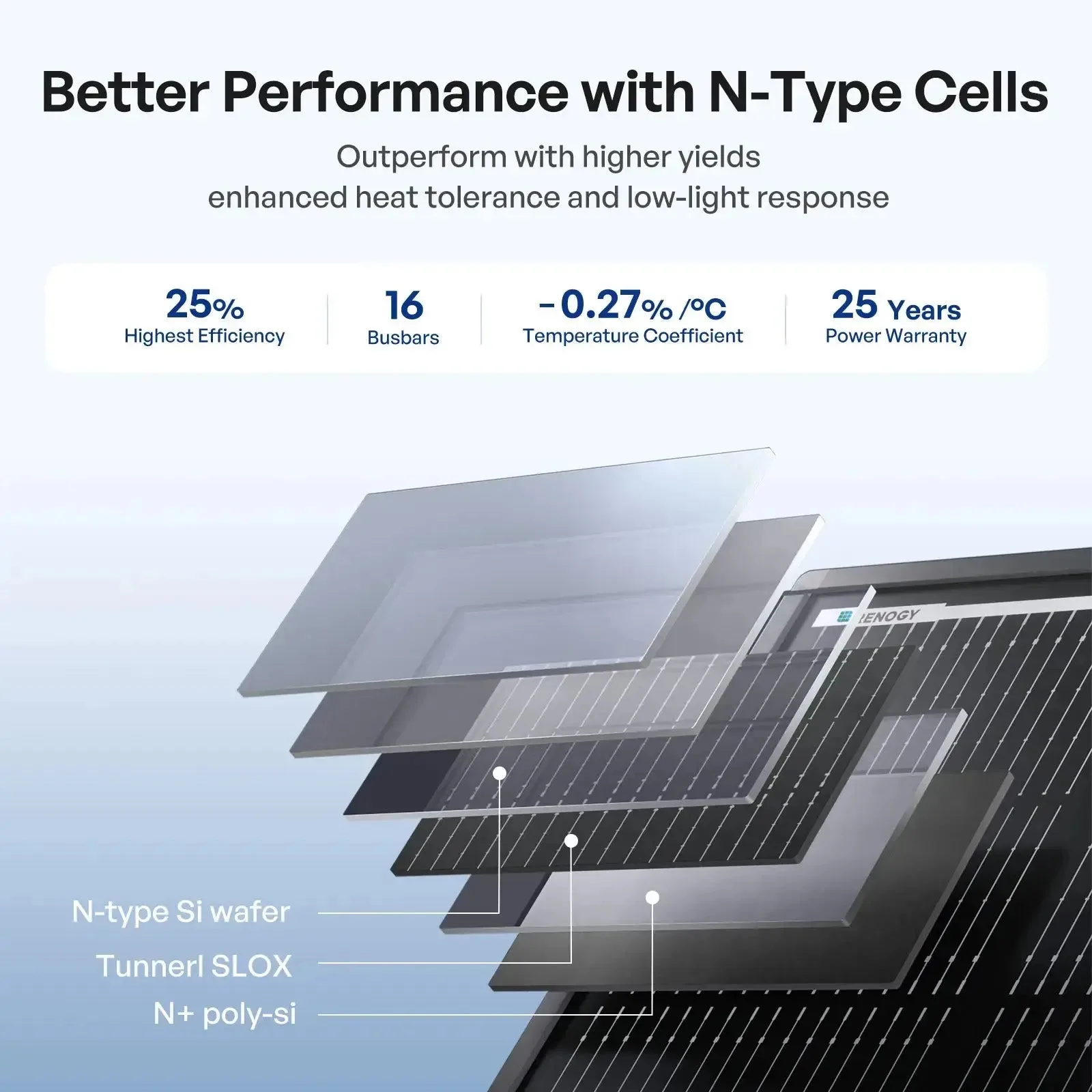
Features Unmatched Performance 25.1% Maximum Cell Efficiency: Advanced N-Type TOPCon technology for greater energy production.
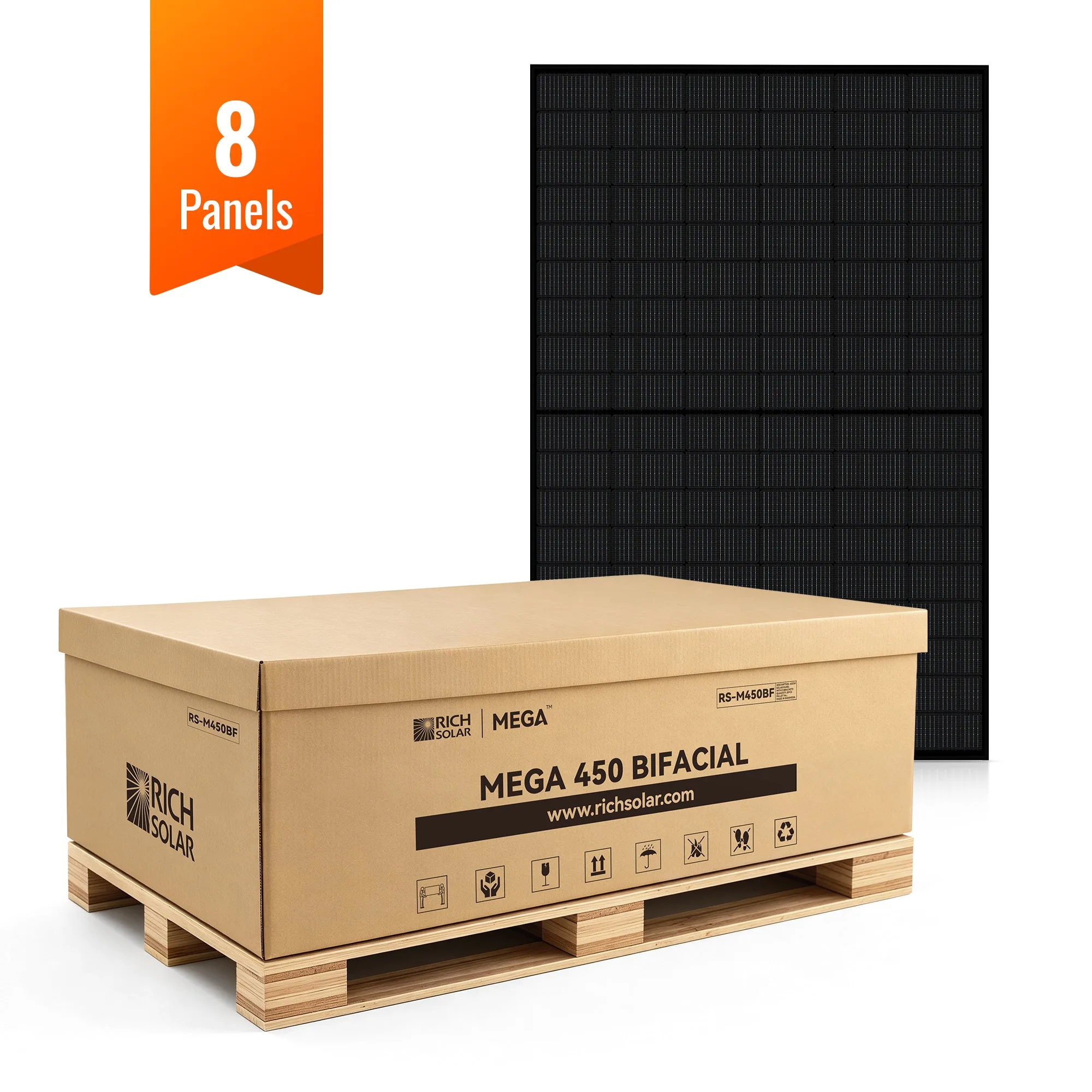
MEGA 450 BIFACIAL | 450W Bifacial N-Type Solar Panel | Premium 24V Grid-tie or Off-grid Solar Panel for Residential, Commercial, Agriculture | 25-Year Output Warranty | UL Certified
View product ↗450 W ×8 pcs = 3,600W
$3,199.99
PALLET SHIPPING ONLY!
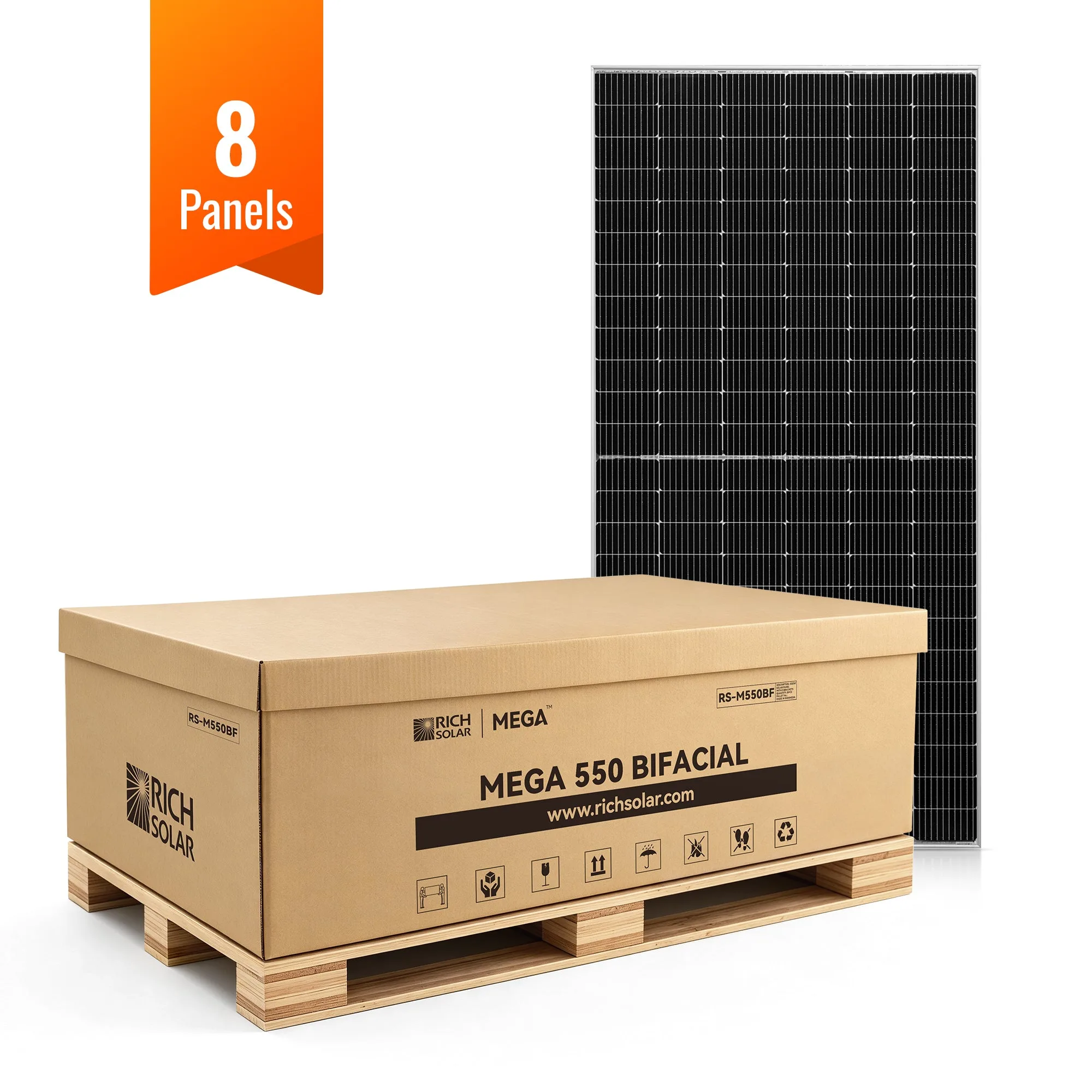
MEGA 550 | 550 Watt Bifacial Solar Panel | Premium Grid-tie or Off-grid Solar Panel for Residential, Commercial, Agriculture | 25-Year Output Warranty | UL Certified
View product ↗550 W ×8 pcs = 4,400W
$3,599.99
PALLET SHIPPING ONLY!
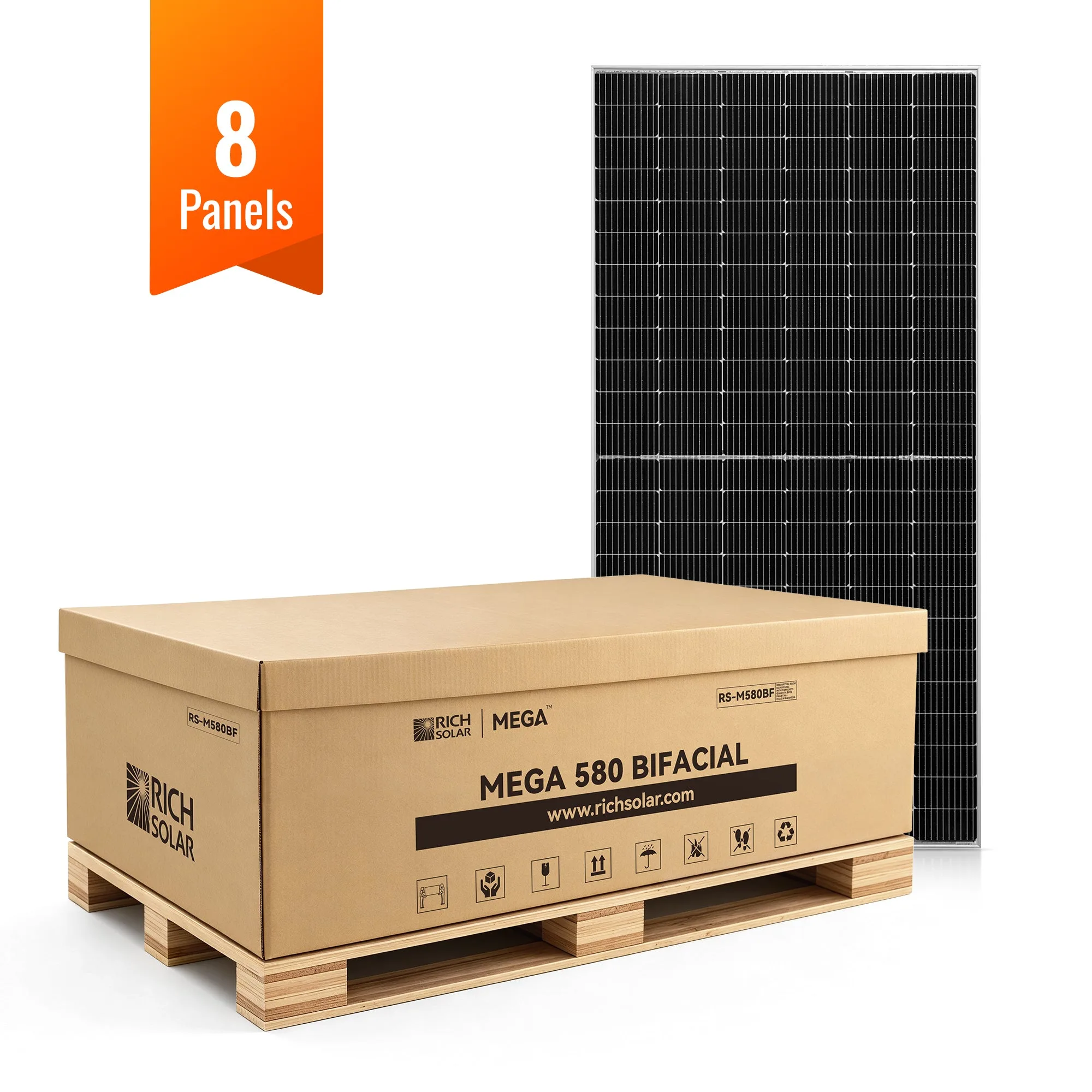
MEGA 580 BIFACIAL | 580 Watt Bifacial Solar Panel | Premium Grid-tie or Off-grid Solar Panel for Residential, Commercial, Agriculture | 25-Year Output Warranty | UL Certified
View product ↗580 W ×8 pcs = 4,640W
$3,799.99
PALLET SHIPPING ONLY!
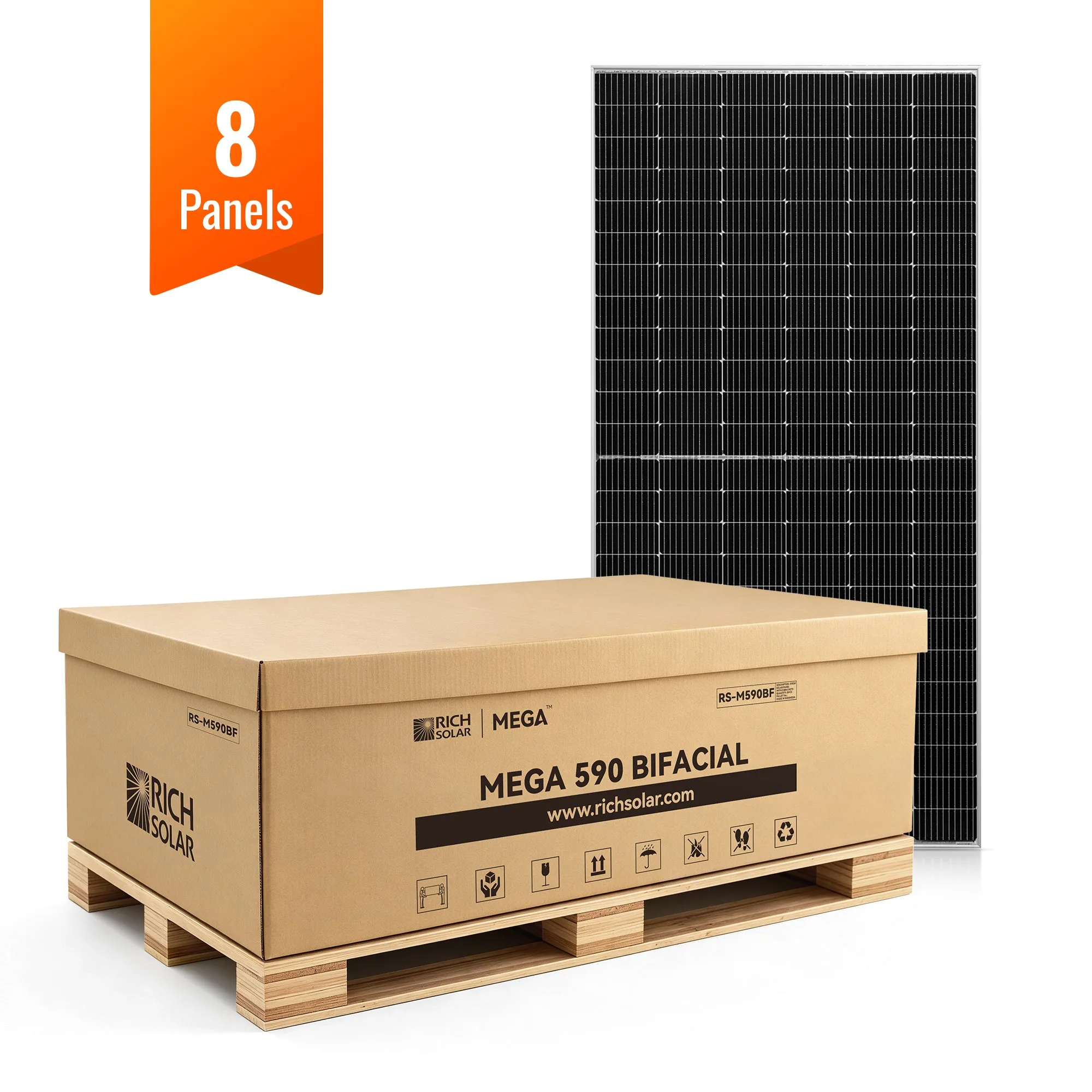
MEGA 590 BIFACIAL | 590 Watt Bifacial Solar Panel | Premium Grid-tie or Off-grid Solar Panel for Residential, Commercial, Agriculture | 25-Year Output Warranty | UL Certified
View product ↗590 W ×8 pcs = 4,720W
$4,299.99
PALLET SHIPPING ONLY!

MEGA 600 BIFACIAL | 600 Watt Bifacial Solar Panel | Premium Grid-tie or Off-grid Solar Panel for Residential, Commercial, Agriculture | 25-Year Output Warranty | UL Certified
View product ↗600 W ×8 pcs = 4,800W
$4,399.99
PALLET SHIPPING ONLY!
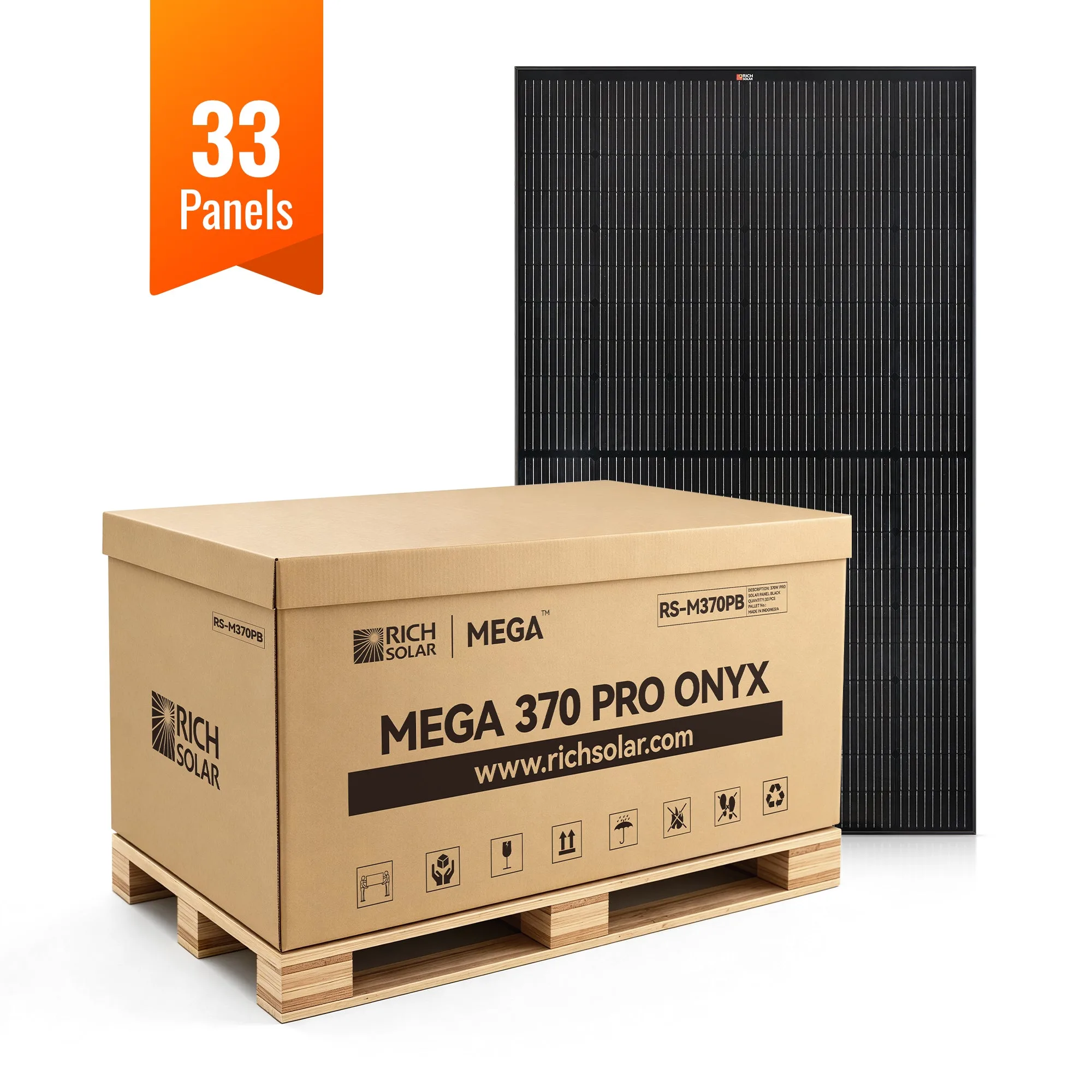
MEGA 370 PRO ONYX | 370 Watt Solar Panel | 24V Off-Grid Solar Panel for Residential, Commercial, Agriculture | 25-Year Output Warranty | UL Certified
View product ↗370 W ×33 pcs = 12,210W
$14,459.99
PALLET SHIPPING ONLY!
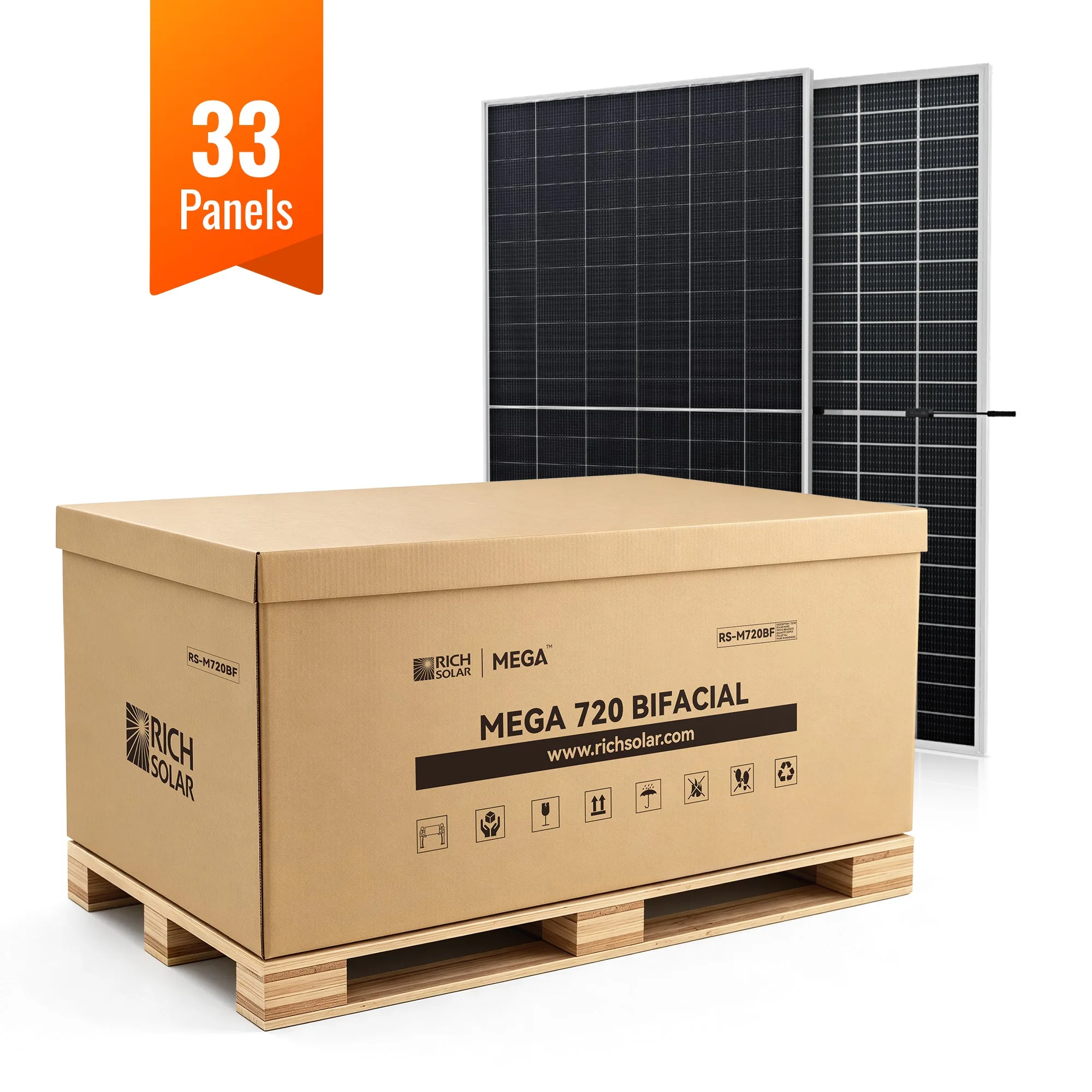
MEGA 720 BIFACIAL | 720W Bifacial N-Type Solar Panel | Premium 24V Grid-tie or Off-grid Solar Panel for Residential, Commercial, Agriculture | 25-Year Output Warranty | UL Certified
View product ↗720 W ×33 pcs = 23,760W
$21,399.99
PALLET SHIPPING ONLY!